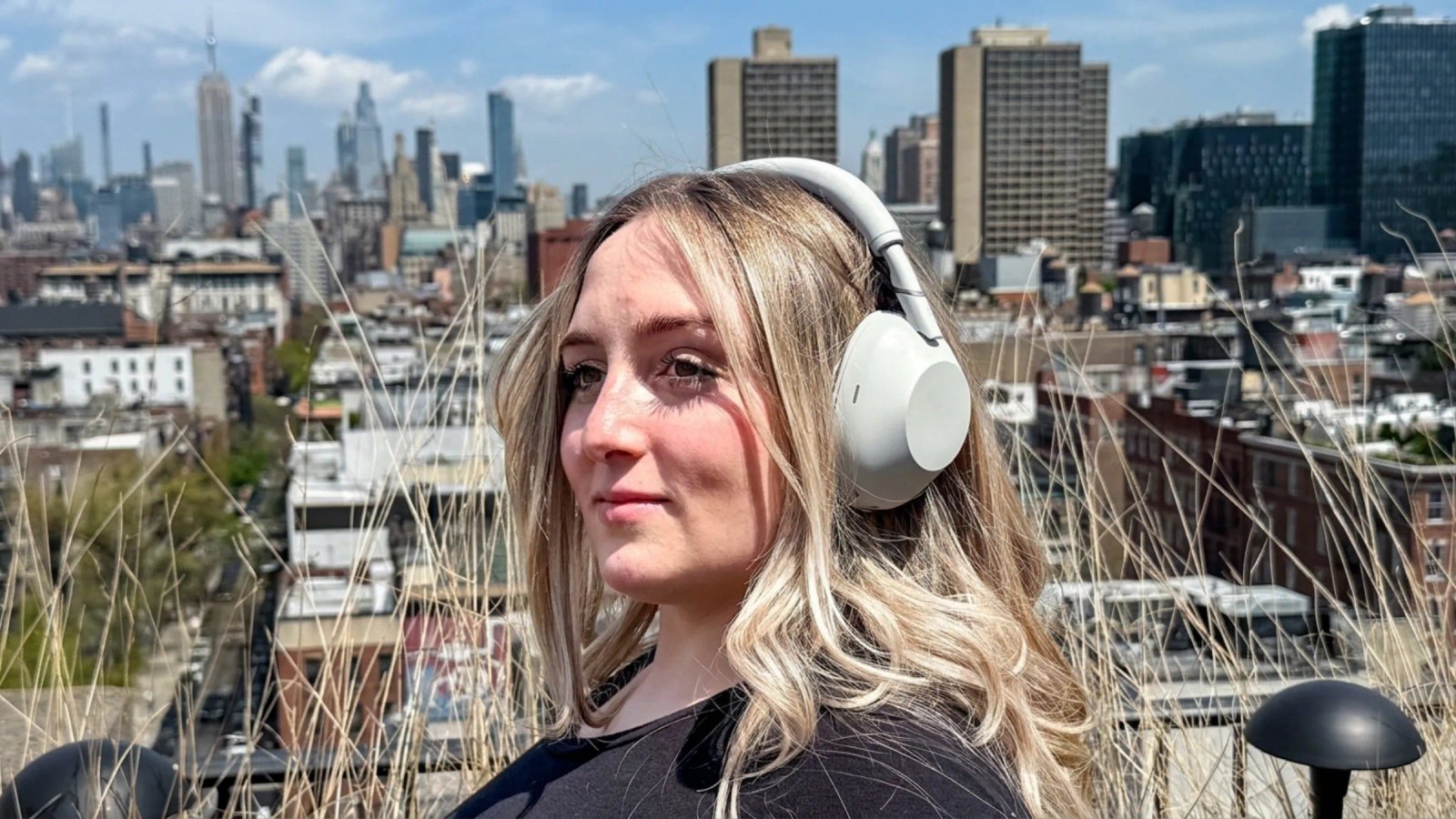
Noise cancellation is sold as silence. Reviews describe flagship headphones as blocking out all the noise.
They don’t, and the gap between what ANC does well and what people buy it for is the main source of disappointment in this category.
Active noise cancellation works by generating an inverse sound wave. To do that it has to predict what’s coming, which it manages extremely well with constant, low-frequency sound — aircraft cabin drone, train rumble, air conditioning, road noise. Put a good pair on in a plane and the engine disappears almost completely.
It works far less well on sudden, irregular, higher-frequency sound — speech, keyboard clicks, a dog barking, a baby. The waveform is unpredictable, so there’s nothing to invert in time.
Which is awkward, because the noise most people want blocked in an open-plan office is other people talking.
Here’s what actually determines how much you hear, and three sets worth buying.
The short version
Sony WH-1000XM6 (~$379–459) — the best all-rounder. Strongest at the higher-frequency noise ANC usually struggles with, best feature set, best sound.
Bose QuietComfort Ultra Headphones 2nd Gen (~$429–449) — the best pure noise blocking, especially at aircraft frequencies, and the most comfortable for long wear.
Sony WH-1000XM5 (~$199–299) — the value pick. The previous flagship at roughly half the price, with ANC close enough that most people wouldn’t pick the difference.
And the thing that matters most isn’t on the spec sheet: the seal. Passive isolation does more against speech than ANC does, and that comes down to fit.
What ANC is good and bad at
Noise type | ANC performance |
Aircraft engine drone | Excellent |
Train and bus rumble | Excellent |
Air conditioning, fans | Excellent |
Road and tyre noise | Very good |
General office hum | Good |
Conversation and speech | Limited |
Keyboard clicks, cutlery | Limited |
Sudden sharp noises | Poor |
The pattern is consistent: predictable and low beats unpredictable and high.
What this means practically:
For flying, commuting and open-plan hum, ANC is transformative, and the flagship models genuinely deliver what’s advertised.
For blocking a colleague’s phone call or a flatmate’s television, ANC helps less than you’d hope. What helps there is passive isolation — the physical seal of the earcup against your head — plus playing something.
So the fit matters more than the ANC processor. A pair that seals properly on your head will outperform a technically superior pair that doesn’t. Glasses wearers in particular should pay attention here, since arms break the seal and cost you real isolation.
Where the two flagships actually differ
The useful finding from independent comparison is that Bose and Sony are strongest in different frequency bands.
Bose leads at low frequencies — the aircraft cabin band specifically. If your main use case is long-haul flights, Bose is still the reference.
Sony’s XM6 beats Bose at higher-frequency conversational noise. If your main use case is an office or a café, that’s the more relevant strength.
That’s a genuinely actionable distinction, and it’s more useful than any overall ranking.
The specs that matter beyond ANC
Multipoint Bluetooth. Connects to two devices at once — laptop and phone, typically — and switches automatically when a call comes in. Once you’ve used it, going back is irritating. Both flagships have it.
Codecs. LDAC (Sony) and aptX Adaptive (Bose) carry more data than standard Bluetooth. They only matter if your source device supports the same codec — LDAC needs an Android phone, aptX needs a compatible device, and iPhones use AAC regardless. Don’t pay for a codec your phone can’t send.
Battery. Thirty hours with ANC on is the standard at this tier, and it’s more than enough — nobody runs these flat on a single flight. Charging speed matters more than total capacity. A few minutes giving you hours is the figure to check.
Wired listening. Bose supports passive wired use; this matters for aircraft entertainment systems and when the battery dies. Worth checking whether a given model works wired with ANC off, or at all.
Transparency mode. How natural it sounds when letting ambient noise in. Quality varies a lot, and a good one means you don’t take the headphones off to order a coffee.
Clamp force and weight. Not published meaningfully, and the thing that decides whether you can wear them for six hours. Try before buying where possible.
The three picks
Sony WH-1000XM6 | Bose QC Ultra 2nd Gen | Sony WH-1000XM5 | |
Price | ~$379–459 | ~$429–449 | ~$199–299 |
ANC processor | QN3, 12 mics | CustomTune | Dual processors, 8 mics |
Battery (ANC on) | 30 hours | 30 hours | 30 hours |
Codecs | LDAC, AAC, SBC | aptX Adaptive, AAC, SBC | LDAC, AAC, SBC |
Multipoint | Yes | Yes | Yes |
Strongest at | Conversational / higher frequencies | Aircraft / low frequencies | All-round, one generation back |
Wired listening | Yes | Yes | Yes |
Sony WH-1000XM6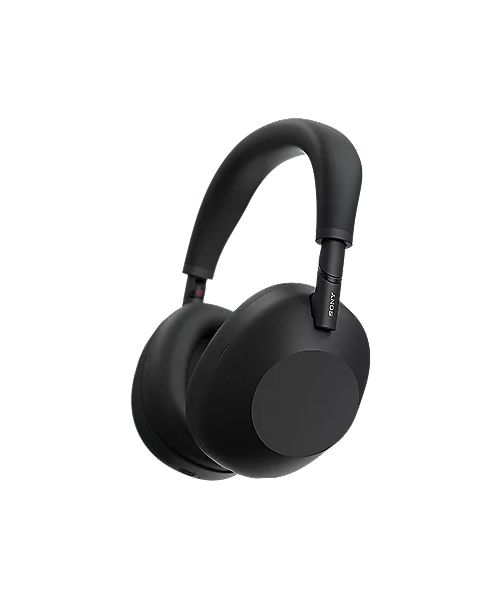
Around $379 to $459, having launched near $449 and settled lower through promotional periods.
The QN3 processor and twelve microphones deliver ANC that sits at or near the top of the category, and critically it’s stronger than Bose at higher-frequency conversational noise — which is the band ANC normally struggles with and the one most relevant to office use.
Sound quality is the best of the three. Reviewers consistently describe a more subdued, natural signature with well-defined bass, and it’s the pair most often recommended when sound matters alongside silence. LDAC support means genuinely high-resolution streaming on Android.
The feature set is the most extensive here: Adaptive NC Optimizer adjusts cancellation to your environment and wearing conditions, the app’s EQ is deep, multipoint works reliably, and call quality is strong.
The drawbacks: it’s less comfortable than the Bose over very long sessions, with a slightly tighter fit. It lacks the custom ANC presets Bose offers. And the design is more utilitarian.
Buy it if: you want one pair for everything — commuting, office, calls, music — and you’re on Android.
Skip it if: your use case is overwhelmingly long flights, or comfort over six hours is the deciding factor.
Bose QuietComfort Ultra 2nd Gen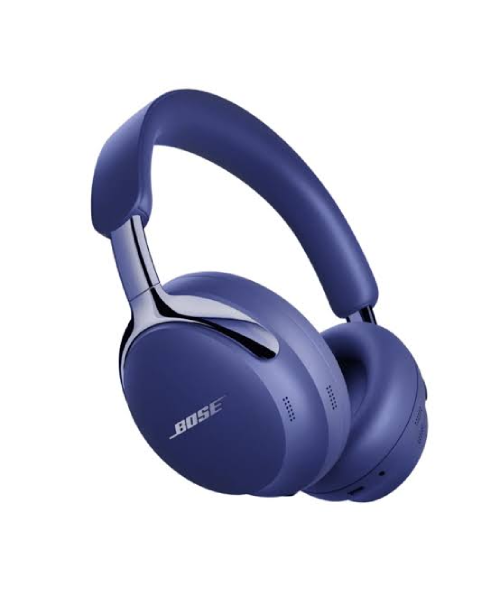
Around $429 to $449.
This is still the reference for pure noise blocking, particularly at aircraft cabin frequencies. If you fly regularly, the difference is audible and it’s the reason Bose retains its reputation among frequent flyers.
It’s also the most comfortable pair here by common consensus, which compounds the travel advantage — ANC performance is academic if you need to take them off after two hours. CustomTune calibrates the sound and cancellation to your ear canal on each wear, which helps with the fit variability discussed above.
Immersive Audio (Bose’s spatial processing) is genuinely well-implemented, custom ANC presets let you save levels for different environments, aptX Adaptive is supported, and wired listening works properly.
The drawbacks: sound quality sits a step behind the Sony — reviewers rate it second of the two. The feature list is shorter. And it’s generally the more expensive option.
Buy it if: you fly often, you wear headphones for long stretches, or maximum silence is the whole point.
Skip it if: sound quality is a priority, or most of your noise is conversational.
Sony WH-1000XM5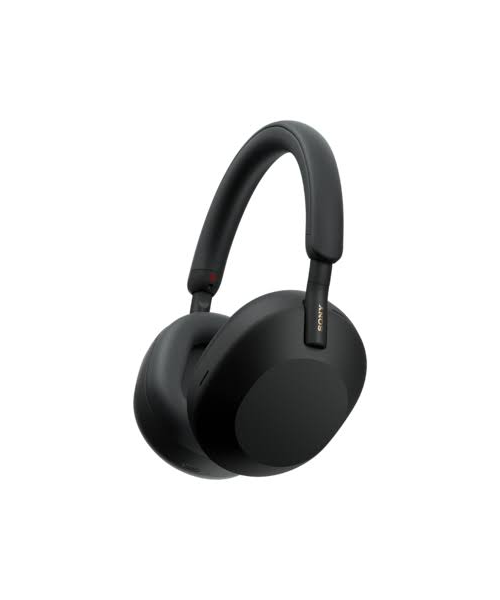
Around $199 to $299 depending on market and promotion — roughly half the price of the current flagships.
The previous Sony flagship, with dual processors, eight microphones, 30-hour battery and LDAC. Its ANC was the category benchmark when it launched and remains very good; the gap to the XM6 is real but modest, and in most environments you would struggle to identify it in a blind comparison.
The drawbacks: the XM6 improves on it at conversational frequencies and in call quality, and the XM5’s earcups don’t fold flat in the way the older XM4 did, which affects packing.
Buy it if: you want flagship-class ANC without flagship pricing, which describes most buyers.
Skip it if: you specifically need the XM6’s improvements, or you want the latest processor.
One more worth knowing: the older Sony WH-1000XM4 drops lower still and remains a genuinely good pair. If budget is the binding constraint, it’s the smartest buy in the range.
How to actually improve what you hear
Beyond buying, a few things make a measurable difference.
Check the seal. Press the earcups gently against your head while ANC is on. If the noise drops noticeably, your seal is imperfect and you’re losing isolation. Adjust the headband, or consider replacement earpads.
Replace worn earpads. Pads compress and harden over a couple of years, and the seal degrades with them. New pads are cheap and restore isolation that people assume has been lost to the electronics.
Glasses break the seal. Thinner arms help. Some people get a meaningfully better result switching to thin-framed glasses for flights.
ANC plus something to listen to beats ANC alone against speech. Brown noise or instrumental music fills the gaps ANC leaves.
Over-ear beats in-ear for low frequencies, and in-ear with good tips can beat over-ear for passive isolation of speech. If speech is your problem, well-sealed earbuds are worth considering.
Mistakes worth avoiding
Expecting ANC to block conversation. It’s designed for predictable low-frequency noise. Speech is the hardest case.
Buying on ANC specs rather than fit. A good seal does more against the noises ANC struggles with than a better processor does.
Paying for a codec your phone doesn’t support. LDAC on an iPhone does nothing.
Buying the newest flagship by default. The previous generation is usually half the price and close in performance.
Ignoring comfort for long sessions. The best ANC in the world is useless if you take them off after two hours.
Letting earpads wear out. Compressed pads lose isolation, and people blame the headphones.
Assuming they’ll help with snoring or a noisy neighbour at night. You can’t sleep comfortably in over-ears, and ANC handles speech and irregular noise poorly.
Frequently asked questions
Does noise cancelling block people talking?
Only partially. ANC works best on constant low-frequency sound like engine drone. Speech is irregular and higher-frequency, which is the hardest case. The physical seal matters more here than the ANC.
Which is better for flights, Sony or Bose?
Bose, by a small margin — it leads at aircraft cabin frequencies and is more comfortable over long wear.
Which is better for an office?
Sony’s WH-1000XM6, which outperforms Bose at the higher conversational frequencies common in offices.
Is the Sony XM6 worth it over the XM5?
It’s better, particularly at conversational noise and on calls. But the XM5 at roughly half the price is the better value for most buyers.
Do I need LDAC or aptX?
Only if your phone supports the same codec. iPhones use AAC regardless, so codec support on the headphones is irrelevant there.
How long should the battery last?
Thirty hours with ANC on is the current standard and more than enough. Check fast-charge figures instead.
Why has my ANC got worse over time?
Usually compressed earpads breaking the seal rather than the electronics. Replacement pads are inexpensive.
The recommendation
For most people, buy the Sony WH-1000XM5 at around $199–299. It delivers the large majority of flagship ANC performance for roughly half the money, and the gap to the current generation is smaller than the price difference.
Buy the Sony WH-1000XM6 if you want the best all-round pair and you’ll use it in offices and cafés as much as on planes.
Buy the Bose QuietComfort Ultra 2nd Gen if you fly regularly or wear headphones for hours at a time — it’s still the best at pure low-frequency silence and the most comfortable here.
Then check your seal, replace your earpads every couple of years, and accept that ANC turns an aeroplane into a quiet room — not a noisy office into a silent one.
Leave a comment