The 60-second read
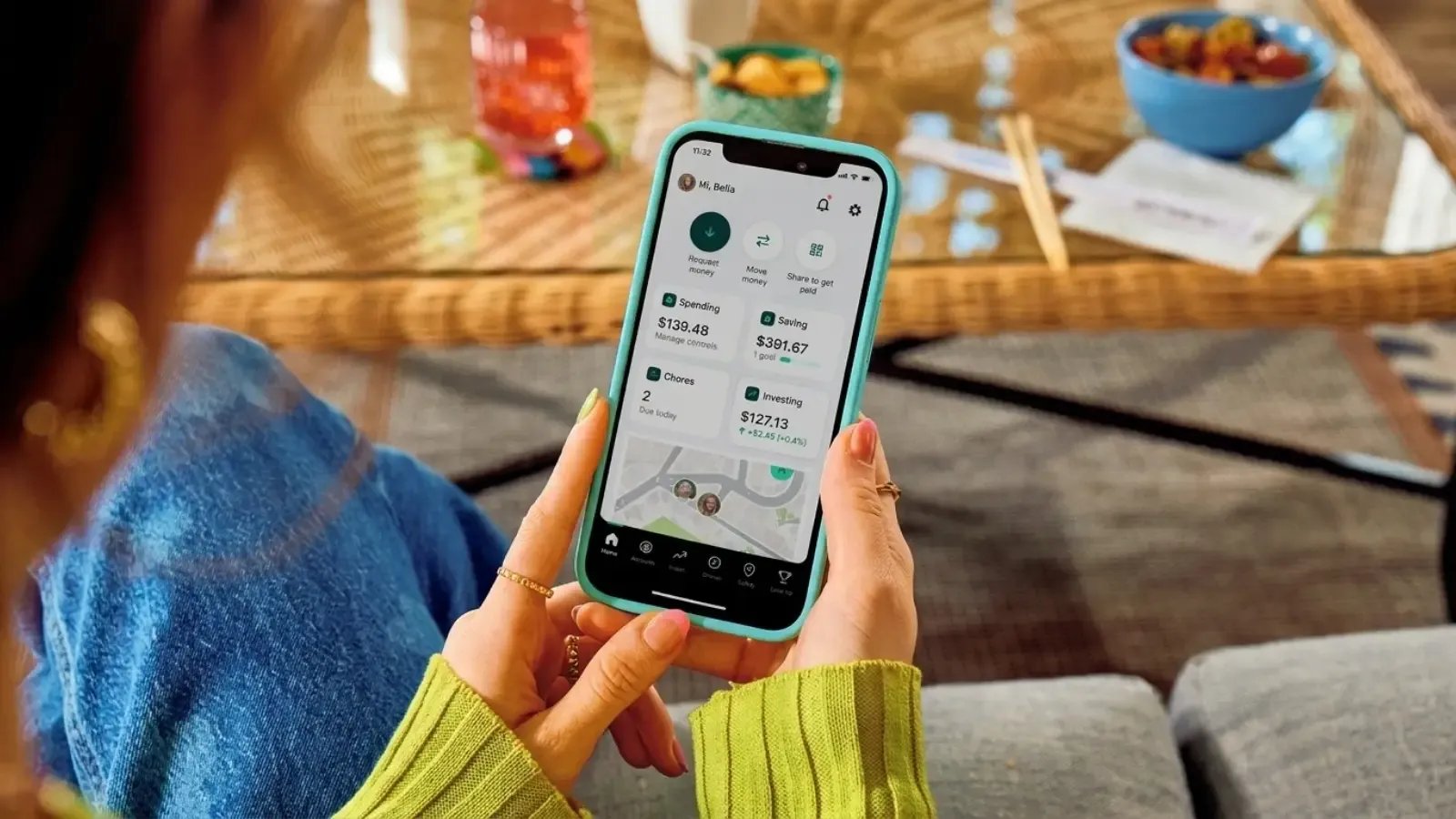
Greenlight is a debit card and money app built for kids and teens, with the parent holding the controls. One subscription covers up to five children, starting at $5.99 a month, and the plans ladder upward by adding investing, cash back, driving and location safety, and identity protection. It is not a bank account and it is not free, and both of those facts matter. What it does sell, genuinely well, is visibility — a parent can see where money goes, set rules before it is spent, and teach rather than lecture.
Buy it if / Skip it if
Buy it if your child is old enough to spend independently but not old enough for you to be relaxed about it
Buy it if you have more than one kid — the price covers up to five, which changes the maths entirely
Buy it if you want chores, allowance and saving handled automatically instead of by cash and memory
Buy it if you have a new driver in the house and the safety features are worth paying for on their own
Buy it if you want your teen learning to invest with real money in amounts you control
Skip it if your child is young enough that cash still teaches the lesson better
Skip it if you have one kid and a free teen account from your own bank already does the job
Skip it if a monthly subscription on a children’s debit card feels like the wrong principle to you — that is a reasonable position
Who Greenlight is
Greenlight Financial Technology is a US fintech built around a single relationship: parent and child, sharing a money system. The card is a Mastercard debit card issued by Community Federal Savings Bank, and the app is where everything actually happens — funding, limits, chores, savings, investing and, on higher tiers, safety.
The company has broadened considerably from the original card. Investing arrived through Greenlight Investment Advisors, an SEC-registered advisor. Family safety features followed, then identity and credit protection, and more recently financial caregiving tools aimed at older adults. The through-line is the same: one subscription, multiple family members, parent-side control.
The customer is a parent of school-age children or teenagers, usually with more than one child, who wants to teach money habits rather than simply hand over cash. The Wall Street Journal has named it the best overall kid’s card, which is the kind of third-party endorsement this category rarely gets.
What Greenlight does differently
One price covers the whole family, up to five kids. This is the structural advantage and it is bigger than it sounds. Most competitors price per child, so a family of three children pays triple. Greenlight’s $5.99 Core plan covers all five at the same price it covers one, which makes it progressively better value the larger the family gets.
Parents set the rules before money moves, not after. Spending controls, store-level restrictions, chore-linked allowance and direct deposit all sit on the parent side. The child experiences a normal card; the parent experiences a system with guardrails. That distinction is why this works as a teaching tool rather than just a payment method.
Savings rewards scale with the plan, and they are not token rates. Core earns 2% per annum on savings, Max 3%, Infinity 5% and Family Shield 6%, on an average daily balance of up to $5,000 per family. A 6% rate on a child’s savings balance is a real incentive to save, and it is doing genuine educational work — compound interest is much easier to teach when the child can watch it happen.
The higher tiers stop being about money at all. From Infinity upward, you are buying family location sharing with place alerts, SOS alerts, crash detection and driving reports. That is a different product category bolted onto the same subscription, and for a family with a new driver it may be the main reason to subscribe.
The range, decoded
Plan | Price | What it adds |
Core | $5.99/mo | Cards for up to 5 kids, chores, allowance, direct deposit, LevelUp, 2% on savings |
Max | $10.98/mo | 1% cash back, investing for kids, credit monitoring, identity theft protection, phone and purchase protection, 3% on savings |
Infinity | $15.98/mo | Family location sharing, SOS alerts, crash detection, driving reports, 5% on savings |
Family Shield | $19.98/mo | Account monitoring, suspicious activity alerts, up to $100K deceptive transfer fraud and $1M identity theft cover, three-bureau credit protection, instant credit lock, 6% on savings |
Products worth your money
Greenlight Core — $5.99/month
Best for: Families starting out, and anyone who just wants the card and the chore system.
Why it stands out:
Debit cards for up to five kids on one subscription, with no per-child pricing
Chores, jobs, allowance and direct deposit built in, so pocket money stops being a cash problem
The LevelUp financial literacy game plus 2% per annum on savings
One honest limitation: No cash back and no investing for kids — the two features most families end up wanting within a year.
Bottom line: The right entry point, and the plan to start on before you know which upgrades your family will actually use.
Greenlight Max — $10.98/month
Best for: Families with teenagers, where the money conversation has moved past allowance.
Why it stands out:
Investing for kids as well as parents, so a teen can buy fractional shares with your approval
1% cash back on monthly spending plus 3% per annum on savings
Adds credit monitoring, identity theft protection, cell phone cover up to $600 per claim and purchase protection
One honest limitation: It nearly doubles the Core price, and the cash back will not come close to covering the difference on typical teen spending.
Bottom line: The plan most families settle on, because investing and identity protection together justify the step up better than either would alone.
Greenlight Infinity — $15.98/month
Best for: Households with a newly licensed driver.
Why it stands out:
Family location sharing with place alerts — notifications when a child arrives somewhere, not constant surveillance
SOS alerts and crash detection, which is the feature parents actually lose sleep over
Driving reports and alerts, plus 5% per annum on savings
One honest limitation: The safety features need mobile data or WiFi and access to phone motion data, so they only work as well as the child’s phone habits allow.
Bottom line: Stop thinking of this as a money plan — at this tier you are buying peace of mind about a teenager in a car, and the card comes along with it.
Greenlight Family Shield — $19.98/month
Best for: Families who want the fraud and identity side covered properly, for adults as well as kids.
Why it stands out:
Up to $100K deceptive transfer fraud coverage and up to $1M identity theft coverage, underwritten through Chubb affiliates
Three-bureau credit protection with instant credit lock and suspicious activity alerts
The highest savings rate in the range at 6% per annum
One honest limitation: If you already hold identity protection elsewhere, you are paying twice for overlapping cover.
Bottom line: The tier that stops being a kids’ product and becomes a household financial-security subscription.
What owners actually say
Consistently praised:
Parents report that the visibility genuinely changes conversations — arguments about money become reviews of a shared screen
Chores and allowance automation removing a weekly friction point
Kids engaging with saving once they can watch the interest accumulate
Easy instant transfers when a child is stuck somewhere and needs money now
Consistently criticised:
The subscription itself — the most common objection, especially from parents whose banks offer free teen accounts
Occasional app and card-activation friction
Some features feeling locked behind higher tiers than parents expected
Customer service responsiveness during account issues
The money question
Greenlight’s value depends almost entirely on how many children you have. At $5.99 for up to five kids, a family with three children is paying about $2 per child per month — that is hard to argue with. A family with one child is paying $5.99 for something their bank may provide free, and the maths looks very different.
The second factor is which tier you actually need. Core is the honest baseline. Max is where most families end up, because investing for kids is the feature that makes this an education product rather than a payment card. Infinity and Family Shield are priced against safety and fraud protection, not money management, and should be judged on whether you would buy those services separately.
Note that savings rewards apply to balances up to $5,000 per family and require the primary account to be in good standing with a verified funding account. The rates are promotional in nature and the brand reserves the right to change them.
How it compares
Greenlight | GoHenry | Step | |
Pricing model | One fee for up to 5 kids | Per child | Free, revenue from interchange |
Investing for kids | Yes, from Max upward | No | Limited |
Safety and driving features | Yes, from Infinity | No | No |
Credit building | Monitoring and protection | No | Credit-building focus |
Who it suits | Multi-child families wanting one system | Smaller families wanting a simple card | Older teens focused on building credit history |
Buying it
Sign up through greenlight.com or the iOS and Android apps. You need to be a parent or guardian with a verified funding account; children do not need their own bank account.
Greenlight runs a risk-free first month for new customers: the first monthly fee is billed seven days after registration, and closing the account before your first billing date gets it refunded. Cards arrive by post, and you can change plans later, so starting on Core and upgrading is a sensible way to work out which tier you need.
On discounts: there is a refer-a-friend programme worth $50, and gift subscriptions are available, which is a more useful present for a teenager than it sounds. Taxes may be added to the subscription price depending on where you live.
Questions people ask
How many kids does one subscription cover?
Up to five, on every plan including the $5.99 Core tier. This is the single biggest value difference against per-child competitors.
Is Greenlight a bank account?
No. The card is a Mastercard debit card issued by Community Federal Savings Bank, and Greenlight itself is a financial technology company rather than a bank.
Can my child actually invest?
From the Max plan upward, yes. Investing is provided through Greenlight Investment Advisors, an SEC-registered investment advisor, and parental approval sits over the child’s activity. Investments are not FDIC-insured and can lose value.
What age is it for?
It is built for school-age children through to teenagers, with the parent as account holder. The feature mix shifts upward with age — chores and allowance for younger kids, investing and driving tools for teens.
Do the savings rates apply to any amount?
They apply to an average daily savings balance of up to $5,000 per family, and require the primary account to be in good standing with a verified ACH funding account.
Can I cancel easily?
Yes, and closing the account before your first billing date refunds the first monthly fee. Plans can also be changed up or down rather than cancelled outright.
The verdict
The strongest thing about Greenlight is that it understood early what parents actually want, which is not a card. It is a view. The card is the delivery mechanism for a system where a parent can see spending, set limits before money leaves, link money to chores and let a child make small mistakes in a space where the consequences are survivable.
The family pricing is what makes it defensible. Paying one fee for up to five children turns the subscription objection on its head for larger households, and it is the clearest reason to pick Greenlight over per-child competitors. For a single-child family with a decent free teen account from their own bank, the case is much weaker, and it would be dishonest to pretend otherwise.
Where it gets genuinely interesting is the upper tiers, which quietly stop being about money. Infinity’s crash detection and driving reports, and Family Shield’s fraud and identity cover, are services plenty of households would buy separately. Bundling them into a card subscription is either excellent value or feature creep, depending on whether you wanted them.
Start on Core, see whether the chore system sticks, and upgrade when your child is old enough for investing or old enough to drive. The first month is refundable, which makes finding out close to free.


Leave a comment