
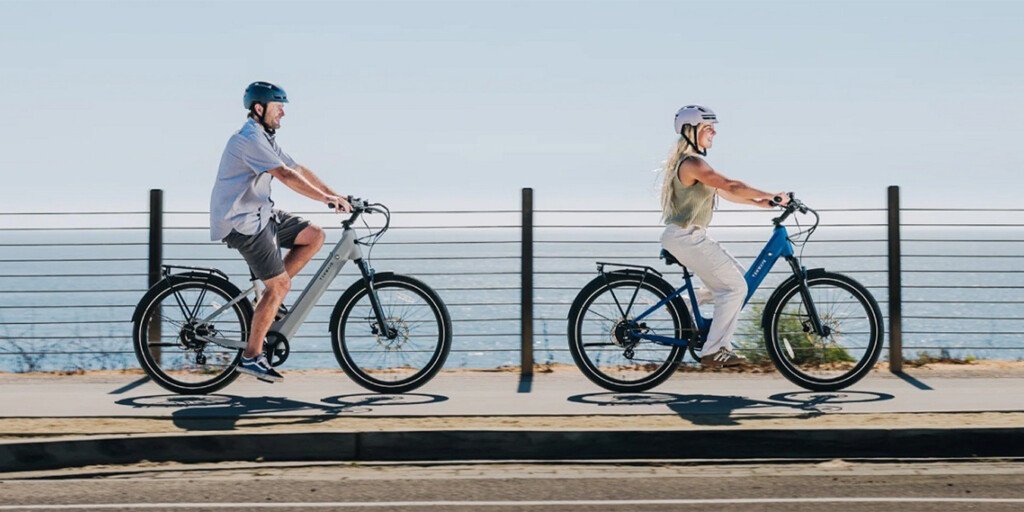

A comfort-first e-bike can be a trap: plush seat, upright posture, and then… a weak motor that struggles on hills and feels sluggish in traffic. The Tenways Wayfarer aims to be the opposite—relaxed cruiser ergonomics with serious muscle under the hood.
This Tenways Wayfarer Review breaks down what you’re actually getting for the money: real specs, real-world ride expectations, and who it fits best. I’ll also pull together the common patterns that show up across Tenways Wayfarer Reviews—because the difference between “perfect commuter” and “regret purchase” usually comes down to weight, storage, and how you expect to ride.
Highlights
- Strong for: comfort commuting, errands, mixed pavement, and “I don’t want to arrive sweaty” rides
- Big power on paper: Bafang rear hub motor rated 750W peak with 65 Nm torque
- Large battery: 48V, 720Wh, UL 2580 certified
- Range claims: up to 85 miles pedal assist; throttle range listed as 35 miles
- Adjustable top speed: default 20 mph, adjustable up to 28 mph (local rules matter)
- Comfort setup: suspension fork + wide 27.5×2.6 tires for a smoother ride
- Practical commuter build: Shimano 8-speed, hydraulic disc brakes with power cut-off
- Not light: 63 lb net, 66 lb with accessories—lifting/storage is a real consideration
- One size frame designed for riders roughly 5’4″–6’3″
- Current US pricing has been shown around $1,999 sale (often listed from $2,199)—pricing can change by promo window
Why You Should Trust Us
We evaluate e-bikes on ownership reality: power delivery, comfort over longer rides, braking confidence, maintenance load, and whether the bike fits your storage/transport setup—not just whether the spec sheet looks impressive.
Table of Contents
- About Tenways
- Tenways Wayfarer Review
- Who It’s Best For
- Who Should Skip It
- Best-Selling Products from Tenways
- Tenways Wayfarer Reviews: What Do Customers Think?
- Is Tenways Wayfarer Worth It?
- Tenways Wayfarer vs Aventon Level.2
- FAQs
- Similar E-Bikes You Might Like
- Final Verdict + Rating
About Tenways
Tenways is a direct-to-consumer e-bike brand best known for city and commuter-friendly designs. Their lineup leans “practical first”: clean frames, everyday component choices, and price points that target value compared to some premium urban e-bike competitors. You’ll see distinct families across the brand, including lightweight city bikes, commuter hybrids, and utility-focused options.
Tenways Wayfarer Review
Testing criteria (what I evaluated)
- Power feel: how torque and throttle translate to real starts and hill climbs
- Comfort: posture, saddle + grips vibe, suspension usefulness, tire comfort
- Control: braking, low-speed handling, stability at higher assist levels
- Practicality: storage, weight, rack/fender usefulness, commuting readiness
- Maintenance: drivetrain complexity, wear items, serviceability
- Value: whether the features justify the price vs popular competitors
Quality & Build / Materials
The Wayfarer uses a 6061 aluminum frame and a commuter-minded component package that’s easy to understand and service. What stands out is that Tenways didn’t build this like a minimalist city e-bike; they built it like a comfort cruiser that’s still meant to be used hard—wider tires, a suspension fork, and hydraulic brakes with a power cut-off for extra reassurance.
Key features
- Motor: Bafang 750W peak rear hub motor, 65 Nm torque
- Sensor: torque sensor (important for a more natural pedaling feel)
- Battery: 48V, 720Wh (UL 2580 certified)
- Range: up to 85 miles pedal assist; 35 miles throttle range listed
- Speed: 20 mph default max assist; adjustable up to 28 mph
- Drivetrain: Shimano 8-speed
- Brakes: hydraulic disc brakes with power cut-off
- Tires: Kenda 27.5×2.6 puncture-resistant tires
Performance / Real-world use
The best thing about this setup: it’s built for the messy middle of real riding—starts at lights, gentle climbs, potholes, curb cuts, and mixed road surfaces. The torque sensor is a big ingredient here. Instead of feeling like the bike is either “on” or “off,” torque sensors generally make assistance feel proportional to your effort—more like a stronger version of your own legs.
Where it should shine:
- commuting without arriving drenched
- errands with a bit of cargo (this style of bike is typically paired with commuter-ready accessories)
- recreational rides where comfort matters more than speed
- riders who like a relaxed cockpit and stable handling
Where you need to be realistic:
- At 63–66 lb, it’s not the bike you casually carry up stairs daily.
- Any headline range is “up to.” Real range changes dramatically with rider weight, hills, wind, temperature, tire pressure, and how much throttle you use.
Ease of use
If you’re new to e-bikes, the Wayfarer is approachable because it doesn’t ask you to learn anything weird:
- standard-style gearing (8-speed Shimano)
- conventional braking feel (hydraulic disc)
- clear speed/range expectations in the product specs
The biggest “ease” question is not riding—it’s storage. If you don’t have ground-floor storage, an elevator, or a secure place to park, the weight becomes the main friction point.
Maintenance / care
This is where the Wayfarer’s design choices can be either a win or a chore depending on your habits:
Likely wins
- Standard drivetrain + standard brakes = easier servicing at many shops
- Puncture-resistant tires can reduce random flat frequency
Ongoing realities
- E-bikes eat brake pads faster than analog bikes if you ride fast/heavy and brake hard
- Keeping tires properly inflated matters more on heavier e-bikes (handling + range)
- If you store it outside, weather-proofing and security planning matter
What I like
- The spec package makes sense for comfort commuting (torque + wide tires + suspension)
- Big battery and clear range targets (with a separate throttle estimate)
- Adjustable max speed gives flexibility for riders who need higher-speed commuting (where legal)
- Hydraulic brakes with power cut-off are reassuring for a heavier bike
- One-size geometry can work well for households sharing a bike
What I don’t like
- Weight is the biggest tradeoff (especially if you have stairs)
- One size won’t be perfect for everyone—especially riders at the edges of the suggested height range
- If your commute includes frequent lifting, you may end up hating ownership even if you love the ride
- Wide tires and comfort geometry are amazing for cruising, but they’re not ideal if you want a nimble, lightweight city bike feel
Price & value (general)
Value depends on how much you’ll use the comfort and power. The Wayfarer makes the most sense when you want:
- a bigger battery
- comfort components that actually change the ride (fork + wide tires)
- higher-speed capability for longer commutes (where legal)
If you’re comparing it to lightweight city e-bikes, make sure you’re comparing the same category. This is a comfort cruiser with commuter muscle.
Who It’s Best For
- Riders who want comfort first (upright posture, stable handling, smoother ride)
- Commuters who need enough power for starts, headwinds, and moderate hills
- People who want a bike that can do errands and short weekend adventures
- Riders who have secure storage (garage, ground-floor space, or elevator building)
Who Should Skip It
- Anyone who regularly carries a bike up stairs (the weight will get old fast)
- Riders who want a light, quick, “barely looks like an e-bike” city bike
- People who ride mostly in tight urban spaces and want maximum nimbleness
- Anyone whose main goal is speed workouts or sporty handling over comfort
Best-Selling Products from Tenways
Tenways’ lineup typically includes a few widely cross-shopped models. If you’re considering the Wayfarer, these are the most common “compare against” picks within the brand’s ecosystem:
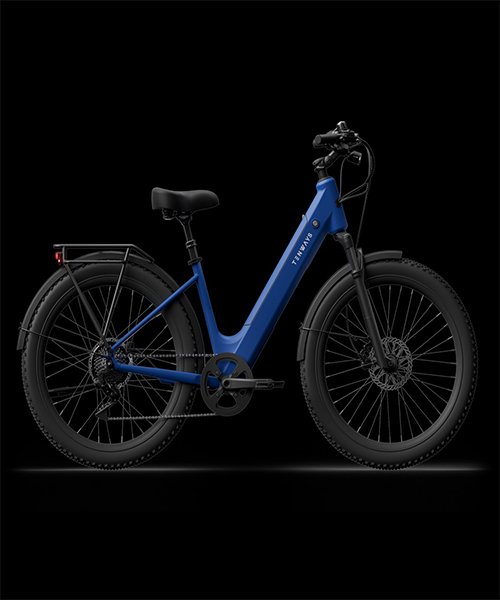
Best for: Comfort commuters who want strong power and big range potential.
Top 3 features:
- 750W peak rear hub motor, 65 Nm torque
- 720Wh battery with long-range potential
- Suspension fork + 27.5×2.6 tires for comfort
One drawback: Heavy for stairs and lifting (63–66 lb).
Mini verdict: A comfort cruiser with real commuter muscle.
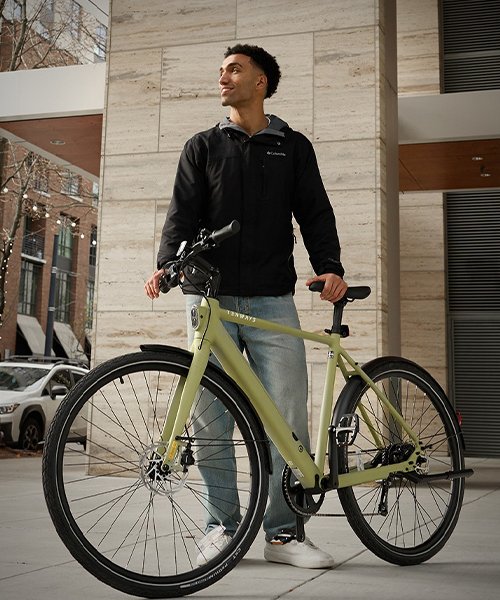
Best for: Riders who want a lighter, simpler city commuter vibe.
Top 3 features:
- Lightweight-leaning city design philosophy
- Built for straightforward commuting and classic styling
- Often chosen by riders who prioritize nimble handling
One drawback: Less “comfort cruiser” capability than the Wayfarer for rougher surfaces.
Mini verdict: Better if you want city agility over plush comfort.
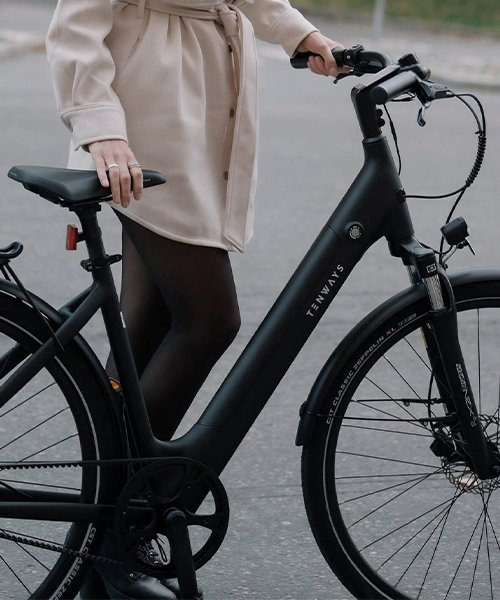
Best for: City riders who want comfort-meets-style in a sleek commuter.
Top 3 features:
- More urban commuter vibe than cruiser
- Designed to be practical for daily riding
- A strong alternative if you want comfort without “cruiser weight”
One drawback: Not built around the same all-road comfort stance as Wayfarer.
Mini verdict: A city-friendly comfort option.
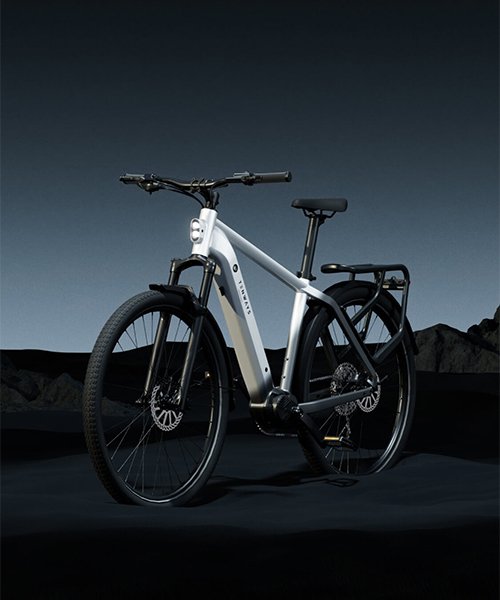
Best for: Riders who want an urban all-rounder that can handle varied city roads.
Top 3 features:
- Versatile geometry (hybrid feel)
- Good cross-shop if you want a commuter that’s not purely cruiser
- Better fit for riders who want “do-it-all” handling
One drawback: Different ride philosophy than a comfort cruiser; posture may feel less relaxed.
Mini verdict: Choose this if versatility matters more than cruising comfort.
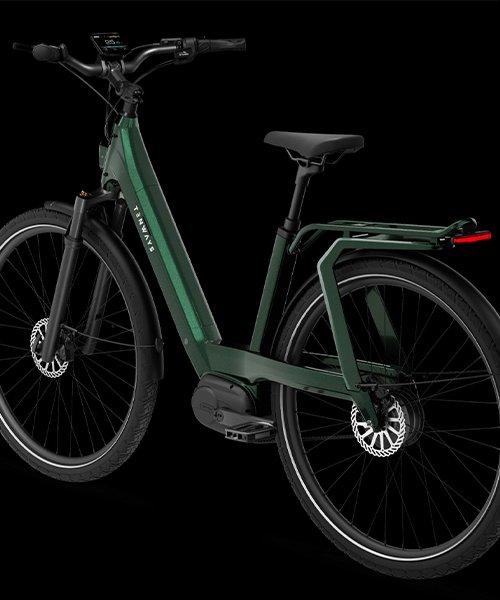
Best for: Riders who want a more premium hybrid feel for longer rides.
Top 3 features:
- Mid-drive character (often preferred for climbing feel)
- Designed for longer, more effortless journeys
- Strong alternative if you want a “commuter tourer” vibe
One drawback: Typically higher cost than many city options.
Mini verdict: A premium alternative if you want mid-drive feel.
Tenways Wayfarer Reviews: What Do Customers Think?
Because the Wayfarer is newer, a lot of the conversation reads like early impressions rather than multi-year durability reports. Still, the themes across Tenways Wayfarer Reviews are consistent:
Common praise
- Comfort stance and “easy riding” feel, especially for casual cruising and commuting
- Strong power for the category (good starts, headwinds, moderate climbs)
- Practical features that fit daily use (gearing, braking, wide tires)
Common complaints / concerns
- Weight and portability (lifting/transport is the main drawback)
- Buyers want confidence around service/support in their region (a key concern for any direct-to-consumer e-bike)
- People expecting a light city bike sometimes realize late it’s a heavier comfort cruiser
My takeaway: If your expectation is “comfort + power + range,” most feedback aligns. If your expectation is “lightweight and easy to carry,” it’s the wrong category.
Is Tenways Wayfarer Worth It?
It’s worth it if:
- you want comfort posture + higher power in one package
- you commute, run errands, or ride mixed pavement and value stability
- you have secure, convenient storage (no daily stair carries)
It’s not worth it if:
- you need a lightweight bike for frequent lifting
- you want a sporty, nimble feel more than comfort
- you mostly ride short, flat distances where a simpler city e-bike would feel “good enough”
Tenways Wayfarer vs Aventon Level.2
These two get compared because both aim at “commuter comfort with real power,” but the decision usually comes down to ride vibe:
- Wayfarer leans cruiser-comfort: wide tires, suspension fork, relaxed ride feel
- Level.2 leans commuter-trainer: more traditional commuter geometry and handling
Pick the Wayfarer if: you care most about comfort and cruising confidence.
Pick the Level.2 if: you prefer a more traditional commuter handling feel and want something less “cruiser-like.”
FAQs
Is the Tenways Wayfarer good for commuting?
Yes—its motor/battery specs, gearing, brakes, and comfort setup are commuter-friendly.
What’s the real range?
The brand lists up to 85 miles pedal assist and 35 miles throttle range, but real range varies by conditions and rider factors.
How fast does it go?
Listed as 20 mph default max assist with adjustability up to 28 mph (rules vary by location).
Is it heavy?
Yes—63 lb net weight, 66 lb with accessories listed. Plan storage accordingly.
Is it good for hills?
With 65 Nm torque and a Shimano 8-speed drivetrain, it should handle moderate hills well for most riders, but performance depends on rider weight and grade.
What size riders does it fit?
Often described as one size for riders roughly 5’4″ to 6’3″.
Does it have a throttle?
The brand provides throttle range figures, indicating throttle-enabled riding in supported configurations.
What’s the battery spec?
Listed as 48V, 720Wh with UL 2580 certification.
Is the Tenways Wayfarer good for beginners?
Yes—standard gearing, torque-sensor assistance, and comfort geometry make it approachable, as long as you’re comfortable with the bike’s weight.
Similar E-Bikes You Might Like
- Aventon Level.2
- Ride1Up commuter models
- Rad Power commuter/utility models
- Specialized Turbo Vado (premium commuter benchmark)
Final Verdict + Rating
The Wayfarer is a comfort cruiser that doesn’t feel underpowered, and that combination is exactly why it stands out. You’re getting a big battery (720Wh), meaningful torque (65 Nm), and real commuter parts (8-speed, hydraulic brakes, wide tires, suspension fork).
The tradeoff is clear: it’s heavy. If you’ve got easy storage and your priority is a relaxed, confident ride for commuting and daily life, this Tenways Wayfarer Review lands as a strong buy.
Rating: 8.6/10