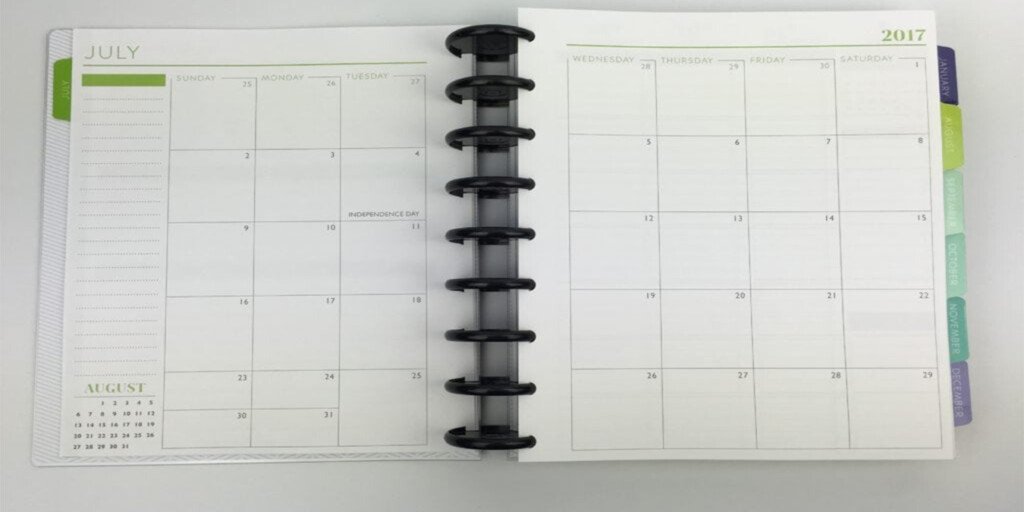

If you’ve ever bought a planner that looked perfect… and then abandoned it by week three, you already know the truth: a planner only works if the layout matches how your brain actually plans.
Plum Paper has built a loyal following by leaning hard into customization—layouts, start months, add-ons, covers, and small details that make a planner feel like it was made for your real life, not an “ideal life” you’ll never stick to.
In this plum paper review, I’ll walk through what matters for US buyers: paper feel, durability, customization options, which layouts are best for which planning styles, and how to decide between weekly vs daily formats—especially if you’re comparing a plum paper planner review or looking specifically for a plum paper daily planner review.
Highlights
- Best for: people who want a planner that fits their routine (not a generic template)
- Customization strength: choose start month, layouts, sections, and add-ons
- Paper feel: known for thicker, “pen-friendly” paper that reduces bleed-through
- Layout variety: weekly, daily, and vertical options with flexible structure
- Great for: students, teachers, busy professionals, and parents managing family schedules
- Most common learning curve: too many options can make it hard to choose at first
- Not ideal for: minimalists who want a tiny, no-fuss planner
- Value is highest when: you choose a layout you’ll actually use every day
- My quick take: one of the best picks if you’re picky about layout and want customization
Why You Should Trust Us
We evaluate planners using consistent criteria: paper quality, writing experience with common pens, layout practicality, customization usefulness, binding and cover durability, portability, and how easy it is to maintain the habit over months.
Table of Contents
- About Plum Paper
- Plum Paper Review
- Best Layouts to Consider
- Plum Paper Planner Review: What Do Customers Think?
- Is Plum Paper Legit?
- Is Plum Paper Worth It?
- Plum Paper vs Erin Condren
- Discounts and Promotions
- Where Can I Buy Plum Paper?
- FAQs
- Similar Brands You Might Like
- Final Verdict + Rating
About Plum Paper
Brand background
Plum Paper is a US planner brand known for customizable planners and notebooks. Their key differentiator is letting you personalize core structure—like start date and layout—so your planner can match your planning style instead of forcing you into a one-size-fits-all format.
What they’re known for
- High customization: layouts, sections, add-ons, and personalization
- Thick, pen-friendly paper that supports heavy writing
- Practical, functional designs (less “aesthetic scrapbook,” more “useful daily tool”)
- Options for teachers, families, students, and goal-focused planning
Who they’re for
Plum Paper is for people who:
- have tried generic planners and felt “boxed in”
- use planning for real logistics (work, school, family, appointments)
- want a durable planner that holds up in bags and backpacks
- prefer structure and clarity over purely decorative spreads
Quality & Build / Materials
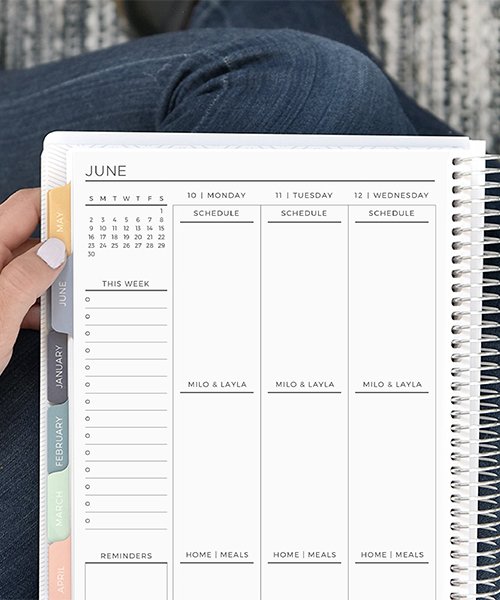
A planner’s “quality” shows up in the boring places—paper thickness, binding reliability, and whether it survives being opened 100 times a week.
Plum Paper is best known for:
- Thicker pages that feel less flimsy and handle most pens well
- Solid binding that’s designed for daily flipping
- Sturdy covers that can hold up to frequent handling
If you’re someone who writes a lot (or uses gel pens/highlighters), the paper quality is one of the main reasons people stick with Plum Paper.
Key Features
- Choose start month (so you don’t waste half a year)
- Multiple layout types (weekly, daily, vertical, etc.)
- Personalized name/label options
- Custom sections (lists, goals, meal planning, habit trackers, budgeting, etc.)
- Add-ons that make it more “system” than notebook (depending on what you choose)
Performance / Real-World Use
Here’s the biggest truth in any plum paper review: it works best when you pick a layout that matches your daily rhythm.
Plum Paper excels for:
- People who need to plan in categories (work vs home vs school)
- People who write a lot and need room for tasks
- Families managing schedules, activities, and meal plans
- Teachers and students who live by weekly blocks
Where it can disappoint:
- If you choose a layout that doesn’t match your brain, you’ll stop using it
- If you over-customize and make it too “busy,” it can feel overwhelming
- If you want tiny and minimal, larger planners can feel bulky
Ease of Use
Customization is the magic and the trap. The easiest way to buy:
- Decide if you’re a weekly or daily planner person
- Choose how you naturally segment life (by time, by category, or both)
- Add only 1–2 “extra” sections that you will truly use
- Keep the first month simple and build habits before adding complexity
Maintenance / Care
- If you carry it daily, a sturdy cover matters—avoid tossing it loose with sharp keys
- Use bookmarks or tabs if you hate flipping
- Don’t overload with too many trackers at once—habits stick best when the system is simple
What I Like
- Paper quality supports heavy writing and common pens
- Customization helps you avoid buying a planner that doesn’t fit your routine
- Layout options suit many “real life” planning needs
- Great for people who plan in categories or manage multiple roles
- Feels like a practical tool, not a decorative project
What I Don’t Like
- Too many options can lead to decision fatigue
- If you choose the wrong layout, you’ll blame the planner (but it’s a match issue)
- Daily formats can feel bulky if you carry your planner everywhere
- Not the best choice if you want ultra-minimal and pocket-sized
Price & Value
Plum Paper is not the cheapest planner option, but value is strong if you:
- use it consistently
- choose the right layout from the start
- rely on it for real scheduling and task management
- avoid buying multiple planners that you abandon
Best Layouts to Consider
Here’s a quick guide to the layouts most shoppers compare in a plum paper planner review:
Weekly (best for most people)
Who it’s best for: People who plan in blocks and want an overview of the week.
Top 3 strengths:
- Easy to see your schedule and workload
- Great for routines, recurring tasks, and weekly priorities
- Less bulky than a full daily planner
One honest drawback: If you need lots of writing space every day, you may feel cramped.
Mini verdict: The safest pick for first-time buyers.
Plum Paper daily planner review (best for heavy planners)
Who it’s best for: People who write a lot and prefer planning one day at a time.
Top 3 strengths:
- More room for tasks, notes, and time-blocking
- Great for busy workdays and detailed routines
- Helps reduce “missed tasks” because everything has space
One honest drawback: It’s heavier and can feel bulky to carry around.
Mini verdict: The best choice if you treat your planner like a daily command center.
Vertical layouts (best for time-blockers)
Who it’s best for: People who schedule by time and like “calendar-style” planning.
Top 3 strengths:
- Great for appointments and time-blocking
- Clear visual flow through the day/week
- Helpful for students and professionals with fixed schedules
One honest drawback: If your life is task-based (not time-based), it can feel restrictive.
Mini verdict: Best for time planners, not list planners.
Plum Paper Planner Review: What Do Customers Think?
Across common feedback themes in a plum paper planner review, customers tend to agree on a few things: paper quality is a standout, customization is the main reason they buy, and layout choice determines satisfaction.
Common themes
- Paper is thick and pleasant to write on
- People love starting at any month and customizing sections
- Many buyers reorder yearly once they find “their” layout
- Some feel overwhelmed choosing options the first time
- Daily planners get praise for space, but complaints for bulk
Customer sentiment examples (paraphrased)
- “The paper is worth it—my pens don’t bleed like in cheaper planners.”
- “I finally found a layout that matches my work and home schedule.”
- “Customization made it feel like it was designed for me.”
- “I should’ve kept it simpler—too many sections at first.”
- “Daily format is perfect, but it’s heavy in my bag.”
Is Plum Paper Legit?
Yes. Plum Paper is a legitimate US planner company with a long-running reputation for customization and durable paper. If you like personalization and you plan on paper consistently, it’s a reliable choice.
Is Plum Paper Worth It?
Plum Paper is worth it if you:
- know you plan better on paper than on apps
- want a planner that matches your routine (start month + layout)
- use pens/highlighters and care about paper quality
- need a system for multiple roles (work, school, family)
It may not be worth it if you:
- rarely stick with planners
- want something tiny and ultra-minimal
- prefer purely digital planning
- hate decision-making (because customization requires choices)
Plum Paper vs Erin Condren
Feature | Plum Paper | Erin Condren | Who wins |
Customization | Very high | Moderate | Plum Paper |
Paper feel | Thick, pen-friendly | Thick, pen-friendly | Tie |
Style vibe | Practical and functional | Decorative and colorful | Depends |
Best for | System planners and list-makers | Sticker/planning aesthetic fans | Depends |
Learning curve | Choosing layout/options | Less customization to decide | Erin Condren (simpler) |
My take: If you’re picky about layout and want your planner built around your life, Plum Paper wins. If you want a bright, pre-designed planning experience and love decorating, Erin Condren can feel more fun out of the box.
Discounts and Promotions
Plum Paper often runs seasonal promotions. The best strategy is:
- decide layout first (weekly vs daily)
- then wait for a promo if you’re flexible on timing
Avoid buying add-ons just because they’re available—simplicity is usually what makes a planner stick.
Where Can I Buy Plum Paper?
Plum Paper is primarily sold through the brand’s official online store. Because planners are customized, buying direct is usually the standard approach.
FAQs
1. Is this plum paper review for US shoppers?
Yes—this plum paper review is written for US buyers who use paper planning for real life logistics.
2. What’s the best layout for beginners?
Weekly is usually the safest starting point.
3. Is the paper good for gel pens?
Many users choose Plum Paper specifically because the paper handles common pens well with minimal bleed-through.
4. Plum paper daily planner review: is daily too bulky?
It can be. Daily is perfect for heavy planners, but if you carry it everywhere, bulk matters.
5. Do I need to customize a lot?
No. Start simple. Pick the layout and 1–2 useful sections, then adjust next year.
6. How do I choose between vertical and list layouts?
If you time-block appointments, choose vertical. If you mostly write tasks, choose list-based layouts.
7. Does it work for teachers or students?
Yes—many people choose Plum Paper because it supports structured weekly planning and customizable sections.
8. Can I start at any month?
That’s one of Plum Paper’s biggest advantages—no wasted months.
9. Are plum paper planner review opinions generally positive?
Most feedback is positive around paper and customization; dissatisfaction usually comes from choosing the wrong layout.
10. What should I buy first?
A weekly layout planner is the best first purchase unless you already know you need daily pages.
Similar Brands You Might Like
- Erin Condren
- Passion Planner
- Hobonichi (more journal-style planning)
- Paperage / Day Designer (different aesthetics)
- Mossery (custom notebook/planner blends)
Final Verdict + Rating (1–10)
This plum paper review comes down to a simple idea: Plum Paper is one of the best choices if you want a planner that feels built for your real life, not a generic template. Paper quality and customization are the main strengths, and the biggest risk is choosing the wrong layout.
If you’ve been comparing a plum paper planner review and you know you’ll actually use a paper planner, Plum Paper is usually a strong buy. And if you’re specifically shopping a plum paper daily planner review, go daily only if you truly need the extra space—otherwise weekly will feel lighter and easier to carry.
Rating: 8.6 / 10