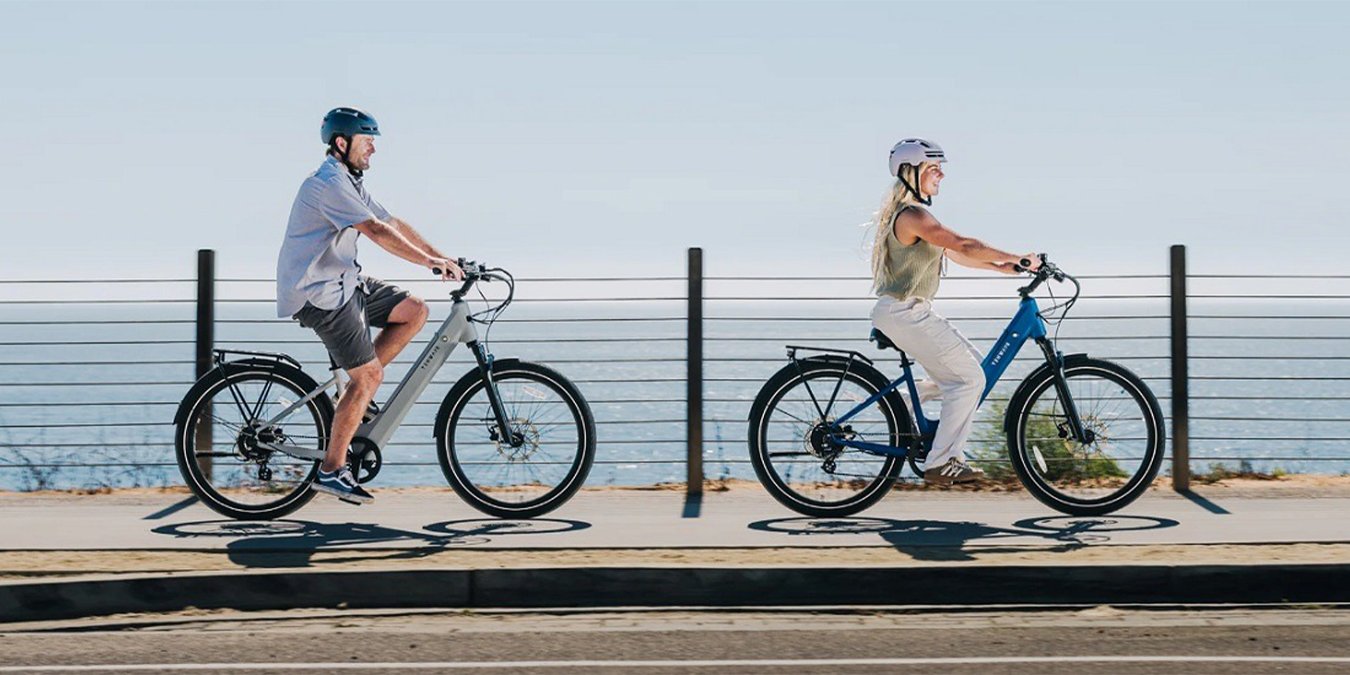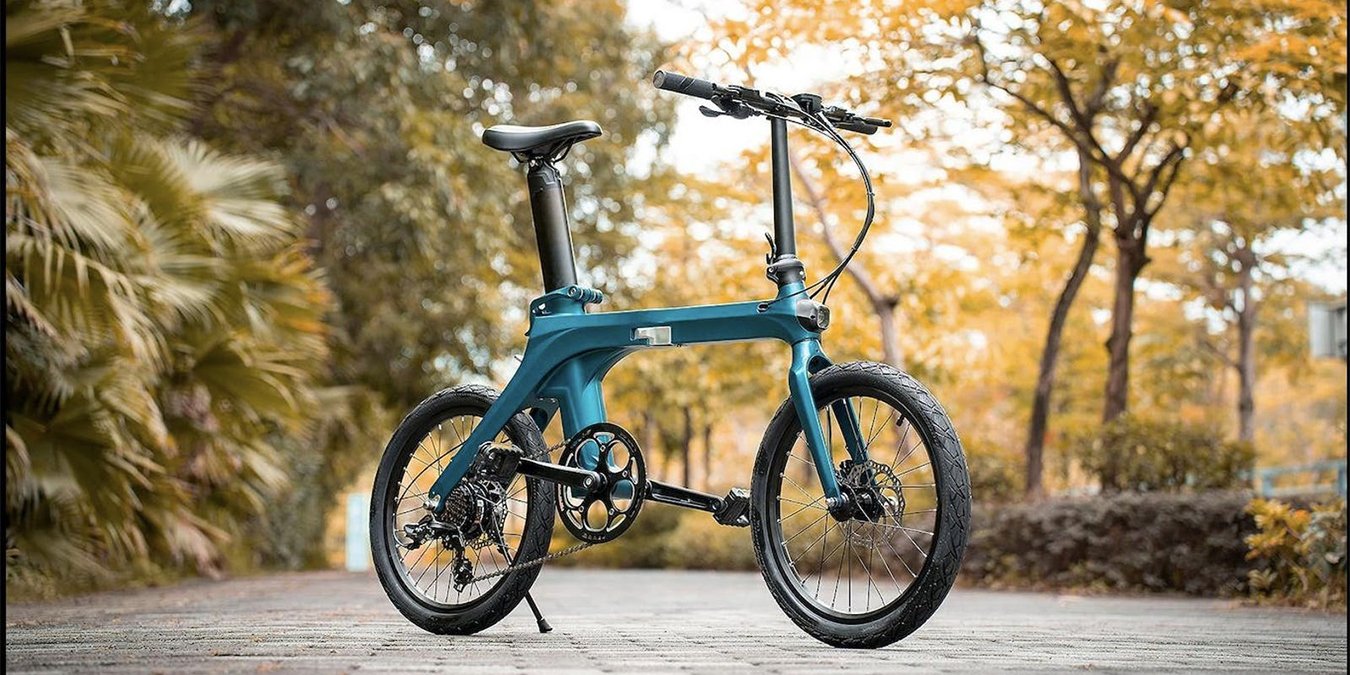
Fiido has become one of those e-bike brands you see everywhere online—especially if you’ve searched for a folding commuter, a budget-friendly long-range option, or a compact bike that can live in an apartment. The promise is simple: practical e-bikes with solid specs for less money than the big legacy names. This Fiido review breaks down what matters in real riding: how these bikes feel on city streets, what the “range” looks like outside of perfect marketing conditions, how portable the folding models really are, and which riders Fiido fits best. I’m also including a focused Fiido d11 Review since it’s one of the most searched-for models, plus a straightforward fiido bike review perspective on the brand overall. Highlights Best for: budget-conscious commuters who still want decent build quality and real daily usability Strong category: folding and compact e-bikes made for apartments and mixed transit Ride feel: generally tuned for comfort commuting rather than aggressive sporty handling Range reality: good for typical city use, but mileage depends heavily on rider weight, hills, assist level, and tire pressure Portability: folding is convenient for storage, but “folding” doesn’t always mean “light” Best value move: choose the model that matches your terrain (flat vs …
Fiido has become one of those e-bike brands you see everywhere online—especially if you’ve searched for a folding commuter, a budget-friendly long-range option, or a compact bike that can live in an apartment. The promise is simple: practical e-bikes with solid specs for less money than the big legacy names.
This Fiido review breaks down what matters in real riding: how these bikes feel on city streets, what the “range” looks like outside of perfect marketing conditions, how portable the folding models really are, and which riders Fiido fits best. I’m also including a focused Fiido d11 Review since it’s one of the most searched-for models, plus a straightforward fiido bike review perspective on the brand overall.
Highlights
- Best for: budget-conscious commuters who still want decent build quality and real daily usability
- Strong category: folding and compact e-bikes made for apartments and mixed transit
- Ride feel: generally tuned for comfort commuting rather than aggressive sporty handling
- Range reality: good for typical city use, but mileage depends heavily on rider weight, hills, assist level, and tire pressure
- Portability: folding is convenient for storage, but “folding” doesn’t always mean “light”
- Best value move: choose the model that matches your terrain (flat vs hilly) and your storage reality (stairs vs elevator)
- Not ideal for: performance cyclists, heavy off-road riding, or anyone needing premium dealer-based service
- My quick take: Fiido often makes sense when your priority is practical transportation, not prestige
Why You Should Trust Us
We evaluate e-bikes using consistent criteria: real-world ride comfort, motor response, braking confidence, battery/range realism, portability/storage practicality, and long-term value. We also focus on buyer fit—because the “best” e-bike depends on where you ride and how you store it.
Table of Contents
- About Fiido
- Fiido review
- Fiido d11 Review
- What Fiido Bikes Are Best For
- What Customers Usually Say in a Fiido Bike Review
- Is Fiido Legit?
- Is Fiido Worth It?
- Fiido vs Lectric
- Discounts and Promotions
- Where Can I Buy Fiido?
- FAQs
- Similar Brands You Might Like
- Final Verdict + Rating
About Fiido
Brand background
Fiido is an e-bike brand known for designing practical commuter and folding e-bikes with competitive specs. The product strategy is usually: keep the lineup commuter-friendly, focus on value, and offer models that work for small-space living.
What they’re known for
- Folding e-bikes and compact commuters (popular for apartment storage)
- Spec-forward value: “a lot of bike for the money” positioning
- Utility-first designs that prioritize everyday transportation
Who they’re for
Fiido is for riders who want:
- an e-bike for commuting, errands, and casual weekend rides
- a smaller bike footprint (folding or compact frames)
- a value-first purchase without paying premium brand pricing
Fiido review
Quality & Build / Materials
Fiido bikes generally feel designed for real-world commuting: functional frames, practical components, and a “get you there reliably” vibe rather than boutique finishing.
What matters most in build quality at this price tier:
- Frame stiffness (does it feel stable at speed?)
- Hinge/folding mechanism quality (for folding models)
- Brake performance consistency
- Wheel size suitability for road conditions
- Cable routing and weather exposure (commuting reality)
Overall, Fiido tends to deliver a solid commuter build for the price, but don’t expect luxury-level paint, ultra-premium parts, or a local dealer network the way you might with higher-priced brands.
Key Features
Common Fiido strengths across models:
- Commuter-friendly geometry (upright-ish riding position)
- Electric assist tuned for city acceleration and steady cruising
- Folding or space-saving designs on many popular models
- Simple control systems meant to be easy for beginners
- Practical add-ons on some trims (racks, fenders, lights—varies by model)
Performance / Real-World Use
This is where most people’s expectations need a reality check—especially around range.
Motor feel:
Fiido e-bikes typically feel best as urban commuters. The assist is geared toward helping you get moving smoothly at intersections and maintaining an efficient cruising pace.
Range reality:
Your real range depends on:
- Assist level (high assist drains faster)
- Hills and wind
- Tire pressure and rolling resistance
- Rider weight and cargo
- Stop-and-go frequency
- Battery size (varies by model)
In practice: if you plan on max-assist, heavy loads, or steep hills, assume you’ll get noticeably less range than the most optimistic marketing claims. If you ride mostly flat terrain with moderate assist, range becomes much more predictable.
Ride comfort:
Compact/folding bikes can feel slightly twitchier than full-size commuters because of smaller wheels and shorter wheelbases. They’re still comfortable for city riding, but potholes and rough roads will feel more noticeable than on a full-size 700c commuter.
Ease of Use
Fiido tends to be beginner-friendly:
- Assist modes are straightforward
- The bikes are easy to start riding without deep cycling knowledge
- Folding models are convenient for storage
The main learning curve is:
- dialing in seat height and handlebar position
- understanding how assist impacts battery
- figuring out whether you actually want to fold it daily (or only for storage)
Maintenance / Care
Most Fiido owners should plan for:
- Regular tire pressure checks (huge for comfort and range)
- Brake pad inspections (e-bikes eat pads faster than normal bikes)
- Chain lubrication (commuting grit is real)
- Bolt checks on folding models (hinge points matter)
- Battery care: don’t store fully dead, avoid extreme heat, charge responsibly
If you’re not mechanically inclined, it’s worth having a local bike shop that will service e-bikes (even if they don’t sell Fiido).
What I Like
- Strong value proposition for commuters
- Practical designs that fit small living spaces
- Good entry point for new e-bike riders
- Folding models make storage far easier for apartment life
- Generally simple, no-fuss user experience
What I Don’t Like
- Folding bikes aren’t always “light,” especially if you have stairs
- Smaller wheels can feel harsher on rough pavement
- Service experience depends on your local shop comfort with e-bikes
- Some riders may want stronger hill performance than entry/mid motors provide (model-dependent)
Price & Value
Fiido usually makes the most sense when:
- you’re replacing car trips or rideshares
- you commute multiple times per week
- you need the folding/compact format
- you want good transportation value without premium pricing
If you only ride occasionally, the value advantage matters less—because any e-bike can feel “expensive” if it sits unused.
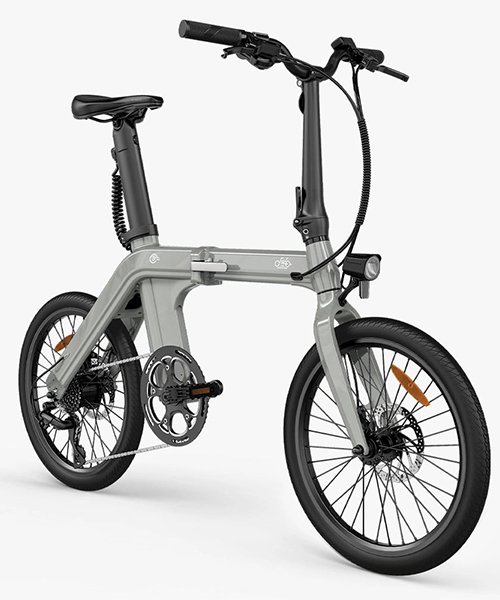
The Fiido d11 Review deserves its own section because it’s one of the most searched folding commuters in Fiido’s lineup.
What the D11 is best for
- Flat-to-moderate city commuting
- Apartment storage and small-space living
- “Last mile” transport (car + bike combo, or short daily rides)
- Riders who want a practical folding e-bike without paying premium folding-bike pricing
Ride feel and comfort
The D11’s ride is typical of compact folding e-bikes:
- Agile and easy to maneuver in city traffic
- Upright posture that’s friendly for casual commuting
- Rough roads are more noticeable than on full-size wheels—so comfort improves a lot with correct tire pressure and a good saddle
Portability reality
Yes, it folds. But folding doesn’t automatically mean “carry it effortlessly.” The D11 is best if:
- you store it folded (closet, hallway, office corner), and
- you only carry it occasionally (elevator, short lift), not daily up multiple flights
If you live in a walk-up, weight becomes the real deciding factor more than “it folds.”
Range expectations
For a typical commuter, the D11 can work well—especially on moderate assist. But if your commute is long, hilly, or you’re planning to ride full-assist almost all the time, plan your charging routine accordingly.
Best buyer tip for the D11
Buy the D11 if your #1 need is: a commuter e-bike you can store easily.
If your #1 need is: maximum comfort on rough roads or heavy hill climbing, you might prefer a different Fiido model (or a different category entirely).
What Fiido Bikes Are Best For
Fiido is usually a strong match for:
- Daily commuting and errands
- Flat-to-moderate terrain
- Riders who value practicality and price
- People with limited storage space
- New e-bike riders who want a straightforward experience
Fiido is less ideal for:
- Very steep hills with heavy cargo (unless you pick a model built for it)
- Aggressive off-road riding
- Riders who want premium local dealer support and in-person test rides
What Customers Usually Say in a Fiido Bike Review
Across common fiido bike review conversations, themes tend to repeat:
Common themes
- “Great value for commuting”
- “Folding is convenient, but it’s not feather-light”
- “Range is good if you ride smart; less if you blast max assist”
- “Assembly was manageable, but tuning brakes/derailleur helped”
- “Customer support varies—be patient and keep documentation”
Customer sentiment examples (paraphrased)
- “Perfect for my apartment—folds and stores easily.”
- “It replaced short car trips and paid for itself.”
- “Needed minor adjustment after delivery, then it was great.”
- “Battery life depends a lot on how you ride.”
Is Fiido Legit?
Yes—Fiido is a real e-bike brand with a broad product lineup and a large user base. The more important question is whether Fiido fits your riding environment and service expectations. If you’re comfortable with direct-to-consumer buying (and basic adjustments or a bike shop tune), it can be a very practical purchase.
Is Fiido Worth It?
Fiido is worth it if:
- you’ll ride regularly (commuting, errands, repeat trips)
- you want value-first specs
- you need compact storage or folding
- you’re okay with direct-to-consumer ownership
It may not be worth it if:
- you want premium dealer support and test rides
- you need top-tier hill climbing and cargo performance
- you won’t ride enough to justify any e-bike purchase
Fiido vs Lectric
Lectric is a common comparison because both brands compete in the value e-bike space.
Feature | Fiido | Lectric | Who wins |
Best for | Compact commuters, folding variety | Value e-bikes with strong US popularity | Depends |
Ride feel | Often commuter-first | Often comfort/utility-first | Depends |
Storage | Strong folding options | Folding options too | Tie |
Value | Strong, spec-forward | Strong, bundle/value-forward | Tie |
Service | DTC service experience | DTC with strong US footprint | Depends |
My take: Choose based on the specific model that matches your terrain and storage needs. In this tier, model fit matters more than brand loyalty.
Discounts and Promotions
Fiido often runs sales and bundle-style promotions. Best strategy:
- decide the right model type first (folding vs full-size commuter), then
- buy during a promo window if you’re flexible on timing
Where Can I Buy Fiido?
Fiido is primarily sold direct online and through select retail partners depending on region. If returns and warranty handling matter, purchase from the channel with the clearest policy and support process for your area.
FAQs
1. Are Fiido bikes good for commuting?
Yes—commuting is one of Fiido’s strongest use cases.
2. Is the Fiido D11 good for beginners?
Yes. The Fiido d11 Review consensus is that it’s beginner-friendly if you want a folding commuter and your terrain isn’t extremely steep.
3. Do Fiido e-bikes work on hills?
Some do better than others. Hill performance depends on motor, gearing, and battery—choose based on your local terrain.
4. How far can a Fiido go on one charge?
Range varies widely by assist level, terrain, and rider weight. Plan conservatively if you ride fast, heavy, or hilly routes.
5. Are Fiido folding bikes easy to carry?
They’re easier to store than to carry. Folding helps storage, but weight can still be significant.
6. Do I need a bike shop tune-up?
Often recommended for direct-to-consumer bikes. A quick tune can improve shifting and braking immediately.
7. Is Fiido legit as a brand?
Yes. Just approach it like a DTC purchase: keep receipts, document issues, and plan for minor setup adjustments.
8. What’s the biggest downside of a folding e-bike?
Ride comfort on rough roads and weight for stairs—those are the two big realities.
9. Is a Fiido good as a “car replacement”?
For short to medium trips in bike-friendly areas, it can be—especially if you can charge at home and store it securely.
10. What’s the safest way to start commuting on an e-bike?
Wear a helmet, practice braking, keep tires inflated, and start with lower assist until you’re comfortable.
Similar Brands You Might Like
- Lectric
- Aventon
- Rad Power Bikes
- Ride1Up
- Velotric
Final Verdict + Rating
This Fiido review comes down to practicality. If you want a commuter e-bike that’s space-friendly and priced for everyday riders, Fiido is a strong contender—especially if you choose a model that matches your terrain and storage situation.
And if you’re specifically shopping the folding commuter category, this Fiido d11 Review verdict is simple: it’s a smart buy for flat-to-moderate commutes and small-space living—just be realistic about weight and range.
Rating: 8.3 / 10