

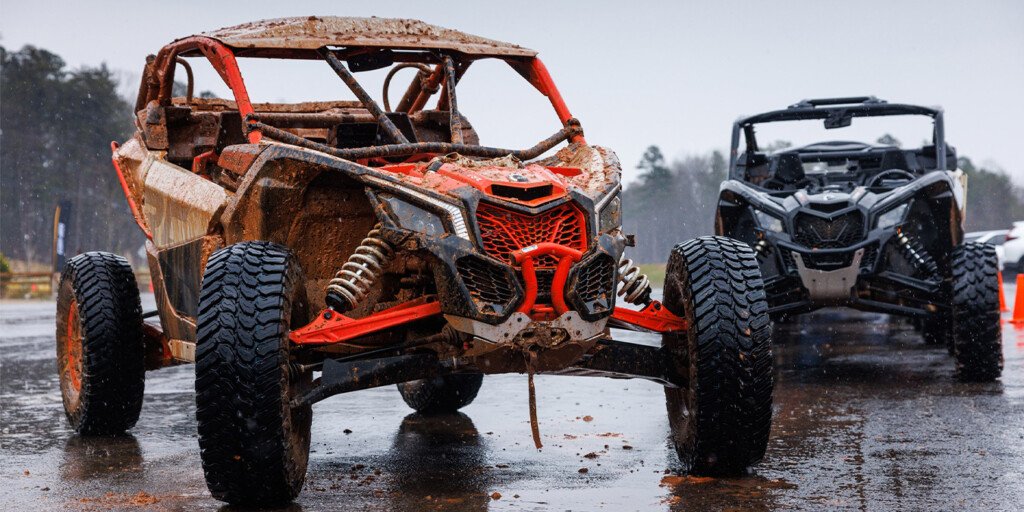

Can-Am is one of those brands that shows up in totally different worlds—and somehow dominates in all of them. On one side you’ve got three-wheel road machines like the Spyder that turn every stoplight into a conversation. On the other, you’ve got serious off-road side-by-sides like the Maverick X3 that are built for dunes, trails, rocks, and full-send weekends.
This Can-Am review is a practical, buyer-style breakdown of what Can-Am does best, where you should be cautious, and which type of rider gets the most value. I’ll also go deeper with a Can-Am Spyder review (comfort, touring, ownership reality) and a focused Can-Am Maverick X3 review (performance, suspension feel, and what matters before you buy).
Highlights
- Best for: riders who want performance-first machines with strong dealer support
- Can-Am shines in: 3-wheel comfort + stability (Spyder/Ryker) and high-performance off-road (Maverick lineup)
- Can-Am Spyder review takeaway: a legit touring platform for people who want confidence and comfort without a traditional two-wheel learning curve
- Can-Am Maverick X3 review takeaway: still one of the most capable “go fast anywhere” SxS platforms—especially if you care about suspension and tuning options
- Expect: premium features, lots of trim levels, and a big accessory ecosystem
- Watch out for: higher cost of ownership than basic machines (tires, service, belts/consumables depending on model)
- Not ideal for: buyers who want “one simple trim” and hate options fatigue
- Best tip: buy based on your terrain and riding style first, then pick trims—don’t do it backwards
- Overall: Can-Am is a top-tier brand when you choose the right platform for how you actually ride
Why You Should Trust Us
We review powersports brands like real buyers: comfort over hours, handling and stability, maintenance realities, dealership experience, resale trends, and whether a model actually fits the terrain you’ll ride most.
Table of Contents
- About Can-Am
- Can-Am Review
- Can-Am Spyder Review
- Can-Am Maverick X3 Review
- Top Models from Can-Am (5)
- Can-Am Review: What Do Owners Think?
- Is Can-Am Legit?
- Is Can-Am Worth It?
- Can-Am vs Polaris
- Discounts and Promotions
- Where Can I Buy Can-Am?
- FAQs
- Similar Brands You Might Like
- Final Verdict + Rating
About Can-Am
Can-Am is a major name in powersports, known for building machines that lean hard into performance and technology. In the U.S., the brand is most recognized for:
- 3-wheel road vehicles (Spyder and Ryker)
- Side-by-sides (Maverick and Defender families)
- ATVs (Outlander and specialty variants)
Can-Am’s “thing” is offering a wide range of trims and use-cases—trail, dunes, mud, ranch/work, touring, and even new electric directions. That’s great if you like options. It can be overwhelming if you want one simple “best choice.”
Can-Am Review
Testing criteria (what I evaluated)
- Ride comfort: long stints, seat comfort, suspension feel, and heat management
- Handling & stability: confidence at speed (on-road and off-road), steering feel, braking confidence
- Real-world usability: storage, visibility, ergonomics, passenger comfort
- Reliability signals: common wear items, service intervals, and how “easy to live with” it feels
- Trim/value logic: whether upgrades actually matter or just inflate the price
- Ownership reality: dealer network, parts availability, and resale strength
Quality & Build / Materials
Can-Am products generally feel “serious.” On the off-road side, you’ll notice it in suspension components, chassis design, and how planted the machines feel at speed. On-road, you’ll notice it in comfort features, wind protection (on touring models), and overall stability.
That said, Can-Am builds performance machines—meaning:
- you may have more complex systems than a basic ATV/UTV
- premium machines come with premium maintenance expectations
- trims matter a lot (you can’t judge the whole lineup by one entry model)
Key Features
Across the brand, the biggest wins are:
- strong platform variety (work, play, touring)
- a deep accessory ecosystem (windshields, storage, lighting, protection, audio, etc.)
- high-performance reputation, especially in the Maverick family
- comfort-focused engineering on Spyder touring models
Performance / Real-World Use
Can-Am tends to deliver when you use the machine the way it’s intended.
Where Can-Am feels unbeatable
- dune/trail riders who want speed + suspension capability (Maverick family)
- riders who want highway stability with a unique experience (Spyder RT/F3)
- people who want a work-ready utility platform but still enjoy trail rides (Defender)
Where people get disappointed
- buying too much machine for their needs (and paying for performance they never use)
- choosing the wrong trim/terrain package (mud tires on hardpack, trail setup in deep sand, etc.)
- underestimating ownership costs (tires, belts/consumables, routine service)
Ease of Use
Ease of use depends on the platform:
- Spyder/Ryker: often easier to feel confident on quickly due to stability
- Maverick/Defender: easy to drive, but the capability encourages speed—so your learning curve is more about judgment and terrain reading than controls
Maintenance / Care
If you’re buying Can-Am, plan like a smart owner:
- follow break-in guidance
- keep up with service schedules
- inspect wear items regularly (especially if you ride hard)
- protect the machine if you ride rocks/mud often (skid plates, guards, etc.)
What I Like
- Huge variety: touring, trail, dunes, work, mud—there’s a platform for each
- Strong performance identity, especially off-road
- Comfort and stability on 3-wheel road models is genuinely confidence-boosting
- Lots of trims let you pick “exactly your use case”
- Resale tends to be strong when you buy popular trims and keep it clean
What I Don’t Like
- Trims can feel confusing—easy to overspend or buy the wrong package
- Ownership costs can surprise first-time powersports buyers
- Premium performance can tempt riders to ride beyond their skill level
- Some buyers want simpler machines with fewer systems to think about
Price & Value (general)
Can-Am is most worth it when:
- you buy for your real terrain and usage
- you choose trims based on what you’ll actually use (not what looks coolest)
- you plan for maintenance like it’s part of the hobby—not a shock later
Can-Am Spyder Review
The Spyder is not “a motorcycle substitute.” It’s its own category: a three-wheel road machine designed for stability, comfort, and long rides—without the same balancing demands as two wheels.
Who the Spyder is best for
- touring riders who want comfort and storage
- couples who ride two-up often
- riders who want confidence at stops and low speeds
- people who love road trips and want something more exciting than a standard cruiser experience
What it does really well
- Stability: especially for riders nervous about low-speed balance
- Touring comfort: the touring-focused trims are built for hours in the saddle
- Road presence: it’s fun, attention-grabbing, and feels like an “event” every ride
- Practicality: storage and passenger comfort can be excellent depending on model
What to watch out for
- It’s wider than a two-wheel motorcycle—lane positioning and parking habits change
- You need to be realistic about where you’ll store it
- Some riders expecting a “motorcycle feel” may find it more like a sporty road tourer with its own handling personality
Spyder quick verdict: If your goal is touring comfort + confidence + something unique, the Spyder makes a lot of sense.
Can-Am Maverick X3 Review
The Maverick X3 is still one of the most iconic high-performance SxS platforms because it’s built around a simple promise: go fast, stay controlled, and keep the chassis stable when the trail gets ugly.
Who it’s best for
- riders who prioritize performance and suspension capability
- trail/dune riders who want a planted, aggressive feel
- people who love tuning, upgrades, and customizing
- experienced riders who want a machine they can grow into
Performance feel in real life
- Acceleration and power delivery: it’s built to feel exciting
- Suspension confidence: the X3’s identity is stability at speed (the trim matters a lot)
- Terrain flexibility: trail, sand, and even mud-focused variants exist, but you should still buy based on your main terrain
Comfort & cabin reality
High-performance SxS cabins are about control:
- seats and belts should hold you in place
- steering wheel ergonomics matter more when you’re actually pushing
- visibility is generally good, but you still need to consider dust, wind, and noise on long days
What I like about the Maverick X3
- feels purpose-built, not “generic SxS with stickers”
- huge community and aftermarket support
- trims let you match your terrain (trail vs dunes vs mud style setups)
- it holds its reputation because it performs, not just because it’s popular
What I don’t like
- easy to overspend on a trim you don’t truly need
- performance machines punish sloppy maintenance
- if you don’t have places to ride it properly, it can feel like overkill
Maverick X3 quick verdict: If you ride fast trails, dunes, or want a high-capability platform with tons of tuning potential, the X3 is a top pick—provided you match the trim to your terrain.
Top Models from Can-Am (5)
Here are five headline models that represent Can-Am’s most searched and most “brand-defining” platforms:
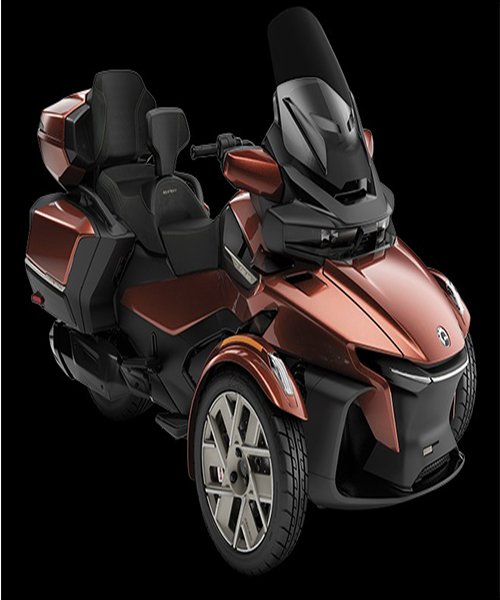
Best for: touring and two-up comfort.
Top 3 key features:
- Touring-focused comfort and storage potential
- Strong highway stability for long days
- Built for riders who want confidence + road-trip readiness
One honest drawback: Bigger footprint than most motorcycles.
Mini verdict: The best Can-Am road-tourer for comfort-first riders.
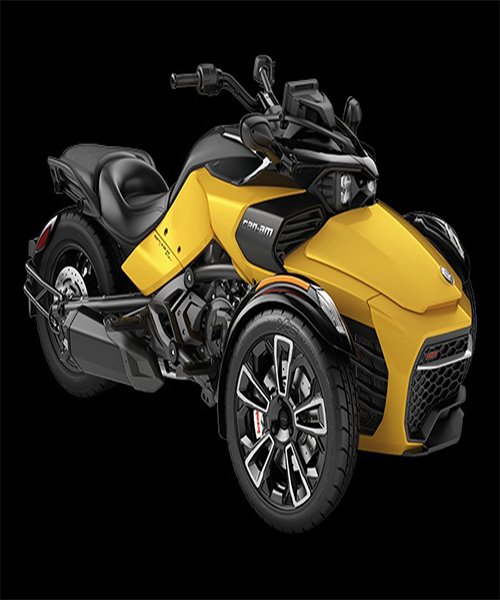
Best for: riders who want a sportier stance and a more muscular feel.
Top 3 key features:
- More performance-leaning road personality
- Comfortable riding position designed for longer rides
- Strong “fun factor” without giving up stability
One honest drawback: Not as touring-focused as RT trims for long-haul storage.
Mini verdict: A great middle ground between sporty and comfortable.
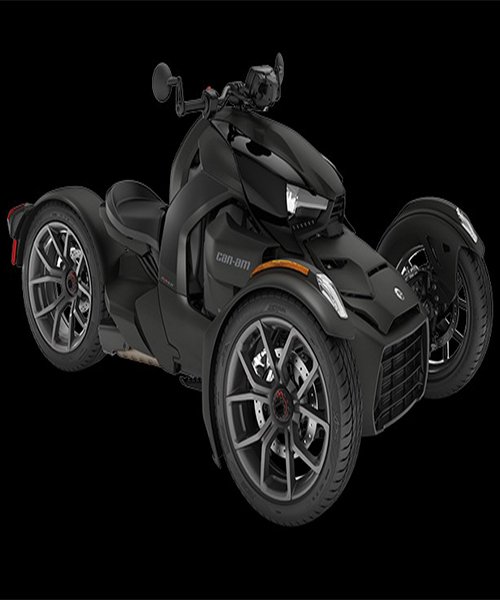
Best for: newer riders or casual riders who want simple fun.
Top 3 key features:
- Easy, approachable riding experience
- Great for city cruising and short trips
- Customization options are a big part of the appeal
One honest drawback: Not the same touring comfort level as Spyder RT for long road trips.
Mini verdict: The fun, accessible gateway into Can-Am on-road.
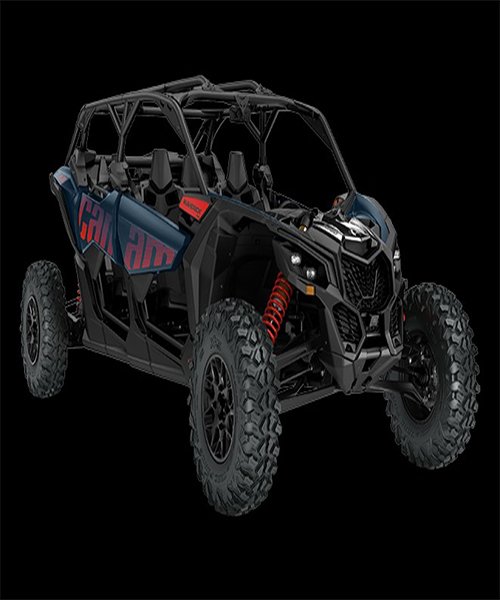
Best for: high-speed trail and dune riding.
Top 3 key features:
- Performance identity built around speed + control
- Suspension-focused trims for serious terrain
- Huge customization ecosystem
One honest drawback: Overkill if you don’t have places to ride it hard.
Mini verdict: A performance legend—best when you’ll actually use the capability.
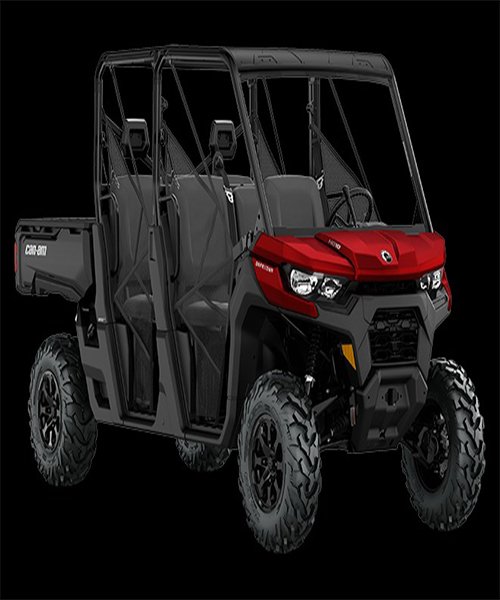
Best for: ranch/work use with real off-road ability.
Top 3 key features:
- Built for hauling, towing, and practical daily tasks
- Tough utility-first design with trail confidence
- Great platform for hunters, landowners, and work crews
One honest drawback: Utility focus means it won’t feel as “sporty” as Maverick models.
Mini verdict: The workhorse choice that still handles rough terrain.
Can-Am Review: What Do Owners Think?
Owner feedback tends to cluster into a few consistent themes.
Common praise
- strong performance and stability (especially in the Maverick and Spyder lines)
- comfortable long-ride experience on touring-focused models
- tons of accessories and upgrade paths
- machines feel solid and “premium” compared to bargain competitors
Common complaints
- maintenance and wear items can cost more than new owners expect
- trim decisions can be confusing (buyers later realize they picked the wrong setup)
- some owners report dealer experience varies by location
- performance models can be less forgiving if you skip maintenance or ride hard without checks
Paraphrased owner sentiment
- “Amazing machine, but keep up with maintenance.”
- “Bought the wrong trim for my terrain—wish I chose differently.”
- “Super comfortable for long rides.”
- “It turns heads everywhere.”
Is Can-Am Legit?
Yes—Can-Am is a major, established powersports brand with broad dealer coverage and a long history in the category. The bigger question isn’t legitimacy; it’s fit: choosing the right platform for your riding style and maintaining it properly.
Is Can-Am Worth It?
Can-Am is worth it if:
- you want top-tier performance or touring comfort
- you have real places to ride (or real work for a utility machine)
- you’re willing to maintain it like the serious machine it is
- you value dealer support, parts availability, and resale strength
It may not be worth it if:
- you want the cheapest path into powersports
- you dislike maintenance and service planning
- you want one simple model with minimal trim decisions
- you’ll barely ride it (premium machines reward frequent use)
Can-Am vs Polaris
Feature | Can-Am | Polaris |
Best known for | Maverick performance, Defender utility, Spyder/Ryker 3-wheel | Broad off-road lineup, strong brand presence |
Strength | Performance feel + unique 3-wheel segment | Huge lineup depth and loyal owner base |
Best for | Buyers who want a distinct platform and strong performance identity | Buyers who want many model options across categories |
Who wins | Depends on terrain + budget + dealer support nearby | Depends on terrain + budget + dealer support nearby |
Practical advice: pick based on the model that fits your terrain and the dealer you trust most near you.
Discounts and Promotions
Powersports pricing changes by season, model year, and dealer inventory. Many buyers get the best value when they:
- shop end-of-season
- consider previous model year units
- ask about bundled accessories or warranty packages (and compare carefully)
Where Can I Buy Can-Am?
Can-Am vehicles are typically purchased through authorized dealers. Your dealer matters more than most people think—service quality and parts support can shape your ownership experience.
FAQs
1) Is this Can-Am review focused on off-road or on-road?
Both. This Can-Am review covers the brand overall, with a dedicated Can-Am Spyder review and Can-Am Maverick X3 review.
2) Is the Can-Am Spyder good for beginners?
Many beginners find it confidence-boosting due to stability, especially at stops and low speeds. Training and safe riding habits still matter.
3) What’s the difference between Spyder RT and Spyder F3?
RT is generally the touring-first choice, while F3 leans sportier in stance and feel.
4) Is the Can-Am Maverick X3 still worth buying?
Yes, especially if you ride fast trails or dunes and want a proven performance platform. The key is choosing the right trim for your terrain.
5) Is the Maverick X3 good for dunes?
Many trims are well-suited for sand and high-speed terrain, but tire choice, gearing, and setup matter.
6) Is Can-Am maintenance expensive?
Compared to entry-level machines, yes—especially on performance platforms. Budget for service and wear items.
7) Should I buy new or used?
Used can be a great value if the machine was maintained properly. Always inspect wear items and service history.
8) What should I look for before buying a Maverick X3?
Terrain match (trail vs sand vs mud), suspension level, tire setup, and whether you’ll actually use the power.
9) Are Can-Am vehicles reliable?
Generally yes, especially when maintained properly. Performance machines require consistent upkeep.
10) What’s the best Can-Am model for work?
The Defender family is typically the go-to for utility use, hauling, and ranch-style work.
Similar Brands You Might Like
- Polaris (off-road and utility competitors)
- Honda Powersports (durability-focused options)
- Yamaha (sport and utility off-road options)
- Kawasaki (strong off-road lineup)
- Harley-Davidson / touring motorcycles (if your goal is long-distance road comfort, but in two-wheel form)
Final Verdict + Rating
This Can-Am review is simple: Can-Am builds machines that feel intentional—performance that’s real, comfort that’s designed for long days, and platforms that fit specific use-cases instead of trying to be everything at once.
The Can-Am Spyder review verdict: a strong choice for riders who want stability and touring comfort with a unique riding experience.
The Can-Am Maverick X3 review verdict: still a top-tier performance SxS platform when you choose the right trim for your terrain and maintain it properly.
Rating: 8.9/10

