

Buying a nonstick pan sounds simple until you’ve owned a few. The first one feels amazing… and then one day eggs start sticking, the surface looks “cloudy,” and you’re standing at the sink wondering how something so useful became disposable so fast.
That’s why people keep searching for “10 Best Non Stick Pan” lists. Not because we love shopping—because we want a pan that stays smooth, heats evenly, and doesn’t make dinner feel like a wrestling match. And if you’re specifically hunting for the best non stick 10 inch frying pan, you’re not alone. Ten inches is the sweet spot: big enough for a proper meal, small enough to handle easily.
So this isn’t a hype list. It’s a practical one: top 10 non stick pans that are popular for a reason, plus what each is best for, and how to choose without getting tricked by marketing.
What a “Good Nonstick Pan” Feels Like in Real Life
A great nonstick pan has a very specific “feel” when you cook on it:
- Eggs slide without you forcing them
- Fish releases without tearing
- You don’t need a lake of oil
- Heat spreads evenly so one side doesn’t burn while the other stays pale
- The handle feels stable, not loose or awkward
- Cleanup takes 15 seconds, not 15 minutes
The problem is: nonstick performance is easy to fake on day one. The real test is after a few months—especially if you use high heat, stack pans, or use metal tools (even once).
So when I say “best,” I’m thinking about durability, heat control, comfort, and whether it still performs when the honeymoon phase is over.
Why I Wanted This List (Beyond the Ads)
Most people don’t want ten pans. They want one or two that cover daily cooking—breakfast, quick lunches, weeknight dinners—without ruining your mood.
This list is built for:
- everyday home cooking
- realistic budgets (not all luxury)
- common sizes (especially 10-inch)
- pans that are widely recommended for performance and reliability
Also: I’m not pretending one pan is “perfect for everyone.” Some people want a pan they can abuse. Some want a super-slick egg pan. Some want “nonstick but not chemical-coated.” The best choice depends on how you cook.
The Top 10 Non Stick Pans (With Real Reasons)
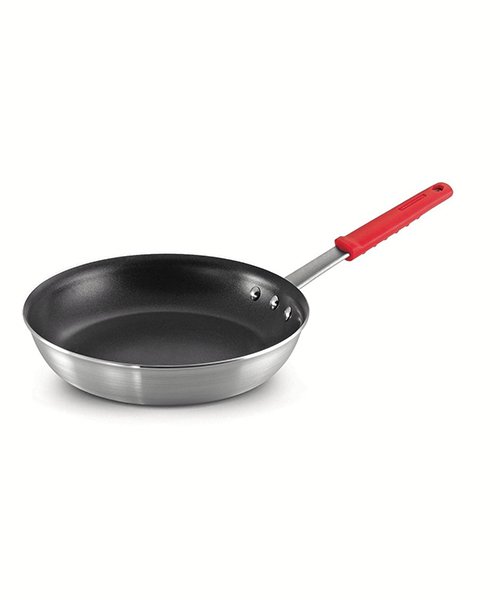
Best for: daily use, strong value
This is a workhorse. It’s popular because it heats evenly, feels sturdy, and doesn’t cost like a luxury brand. It’s the kind of pan you can use often and not feel precious about.
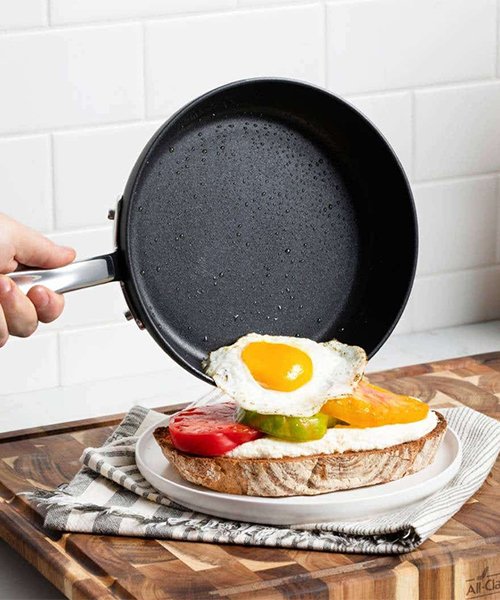
Best for: people who want a “buy once, use often” feel
HA1 is a solid upgrade pick—good heat control, durable build, and it feels premium in the hand. If you like cookware that feels “serious” but still nonstick, it’s a strong choice.
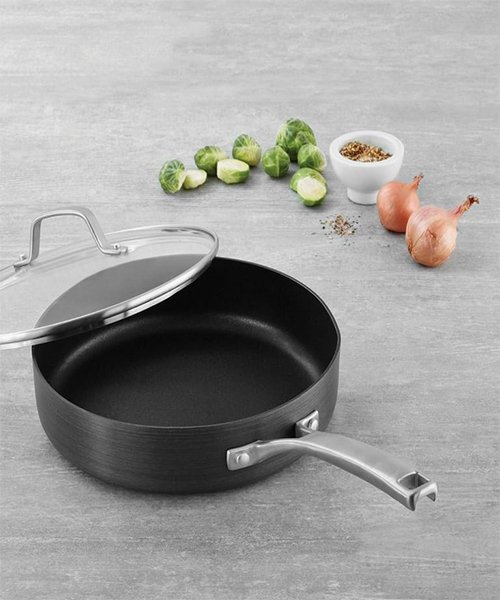
Best for: reliable everyday cooking
Calphalon has been a common household name for a reason. It’s easy to use, easy to clean, and easy to find in practical sizes like 10-inch and 12-inch.
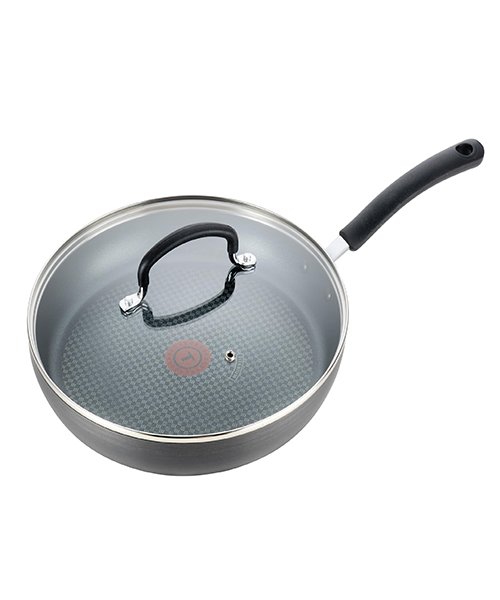
Best for: budget-friendly nonstick that cooks well
T-fal is often the first brand people buy—and many keep rebuying because it’s simple and does the job. Great if you want a dependable pan without overthinking it.
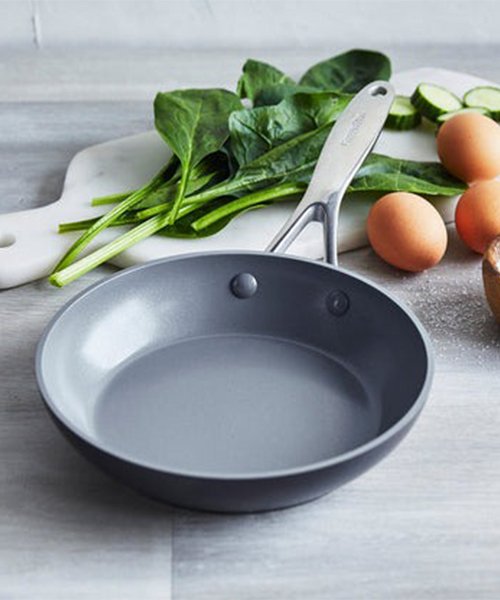
Best for: ceramic nonstick fans (PFAS-free ceramic coating category)
Ceramic nonstick has a different vibe: great when new, but it needs gentler heat and kinder handling to last. This is one of the better-known ceramic options for performance.
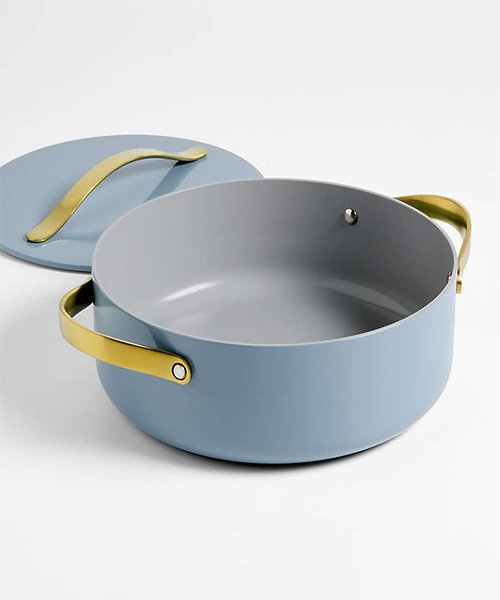
Best for: style + simple cooking, medium heat
Caraway is aesthetic, yes—but it also cooks nicely when treated correctly. If you want a pan you’ll actually leave on the stove because it looks good, this one fits that lifestyle.
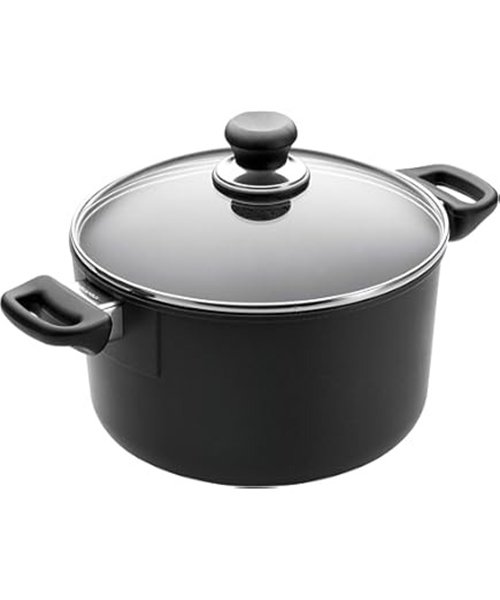
Best for: durability-focused cooks
Scanpan is often talked about when people want nonstick with a tougher feel. It’s not the cheapest, but it’s built for people who cook a lot and want something that feels solid.
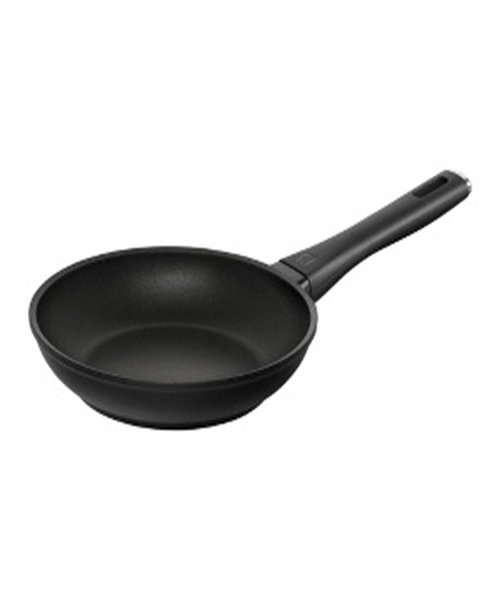
Best for: smooth cooking + comfortable handling
This one is known for being user-friendly—comfortable grip, stable cooking surface, and a nice balance of weight.
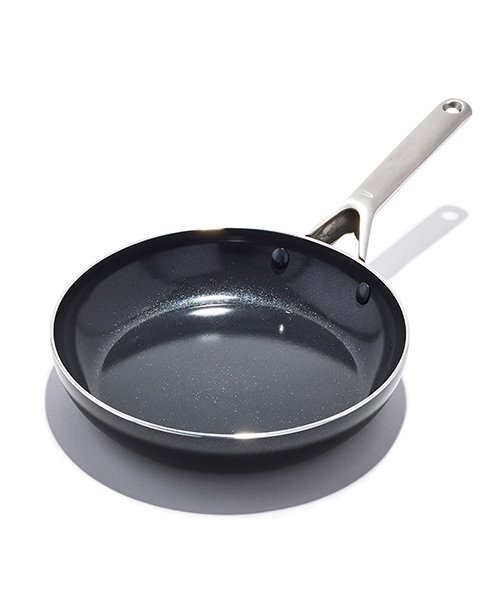
Best for: comfort + control (great handle design)
OXO tends to nail “everyday usability.” The handle comfort matters more than people think—especially if you cook daily.
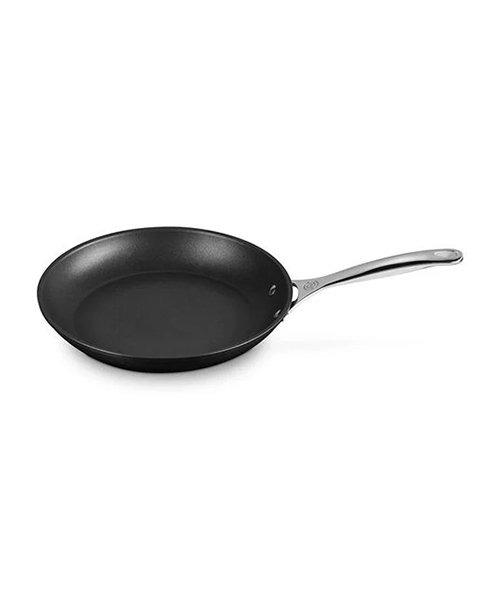
Best for: premium nonstick with strong build quality
This is the “treat yourself” pick. It’s expensive, but it’s also the type people buy when they’re tired of replacing pans and want something that feels substantial.
What I Loved (The Parts That Actually Matter)
1) Hard-anodized pans are usually the safest “everyday bet”
If you’re overwhelmed, hard-anodized nonstick is often a smart middle ground: sturdy, stable heat, durable body. Options like Tramontina, All-Clad HA1, OXO, Calphalon, and T-fal usually fall in this lane.
2) A 10-inch pan really is the most useful size
If you only buy one nonstick pan, 10-inch is the easiest daily driver. It handles:
- 2–3 eggs
- a chicken breast or two
- pancakes
- sautéed vegetables for one or two people
If you’re searching for the best non stick 10 inch frying pan, look first at: Tramontina Professional, All-Clad HA1, or OXO Pro (depending on budget and preference).
3) The handle and weight decide whether you enjoy using it
A pan can have a great coating and still annoy you if it’s too heavy, too light, or awkward to lift. Comfort is not a luxury detail—it’s daily quality-of-life.
What Wasn’t So Cute (The Trade-Offs People Don’t Mention)
1) Nonstick doesn’t love high heat
Most coatings hate being blasted on high. People ruin pans by heating them empty, cooking on max heat, or trying to “sear like cast iron.” Nonstick is best at low to medium heat.
2) Ceramic nonstick needs more gentle expectations
Ceramic can be great—especially for people who want that category—but it often performs best when:
- you avoid high heat
- you don’t stack it without protection
- you use soft tools and gentle cleaning
If you want a pan you can be rough with, classic nonstick may last longer.
3) Even the best pan won’t survive metal tools + harsh scrubbing
One bad habit can cut a pan’s life in half:
- metal fork scraping
- rough scouring pads
- dishwasher abuse (even if “dishwasher safe,” it ages coatings faster)
How I Would Choose One Next Time (So It’s Worth It, Not Just Pretty)
1) Pick the size based on your real cooking
- 8-inch: single eggs, small portions
- 10-inch: most versatile everyday size
- 12-inch: families, meal prep, bigger sauté jobs
If you’re unsure, choose 10-inch first.
2) Decide your “nonstick personality”
- Want maximum slick for eggs and delicate fish? Go classic nonstick.
- Want PFAS-free ceramic category? Go GreenPan/Caraway style—just baby it more.
- Want durability feel? Look at Scanpan-style tougher builds.
3) Buy one good pan and protect it
Nonstick lasts longer if you:
- keep heat medium or lower
- use silicone/wood tools
- hand wash gently
store with a soft protector or towel between pans
Who These Nonstick Pans Are Perfect For
- People who cook breakfast often (eggs, pancakes, French toast)
- Anyone who wants quick cleanup
- Busy households who need reliable weeknight cookware
- Beginners who want “easy mode” cooking results
Who Should Probably Skip Nonstick (Or Buy Only One)
- If you do a lot of high-heat searing (steaks, blackened cooking)
- If you want cookware that lasts decades with no coating wear
- If you regularly use metal utensils and don’t want to change habits
In those cases, a stainless steel skillet + one small nonstick egg pan is often the best combo.
Final Verdict
If your goal is simple: less sticking, easier cooking, and faster cleanup, a good nonstick pan is absolutely worth it. The key is choosing a pan that matches how you actually cook—and treating it like the tool it is, not like a forever pan.
If you’re shopping using the exact keywords people search—“10 Best Non Stick Pan,” “top 10 non stick pans,” and especially “best non stick 10 inch frying pan”—my most practical advice is this:
- Start with a 10-inch hard-anodized nonstick from a reliable brand (it’s the easiest daily win).
- Add a 12-inch later only if you regularly cook for more than two people.
- Protect the coating, and you’ll get way more life out of whatever you buy.